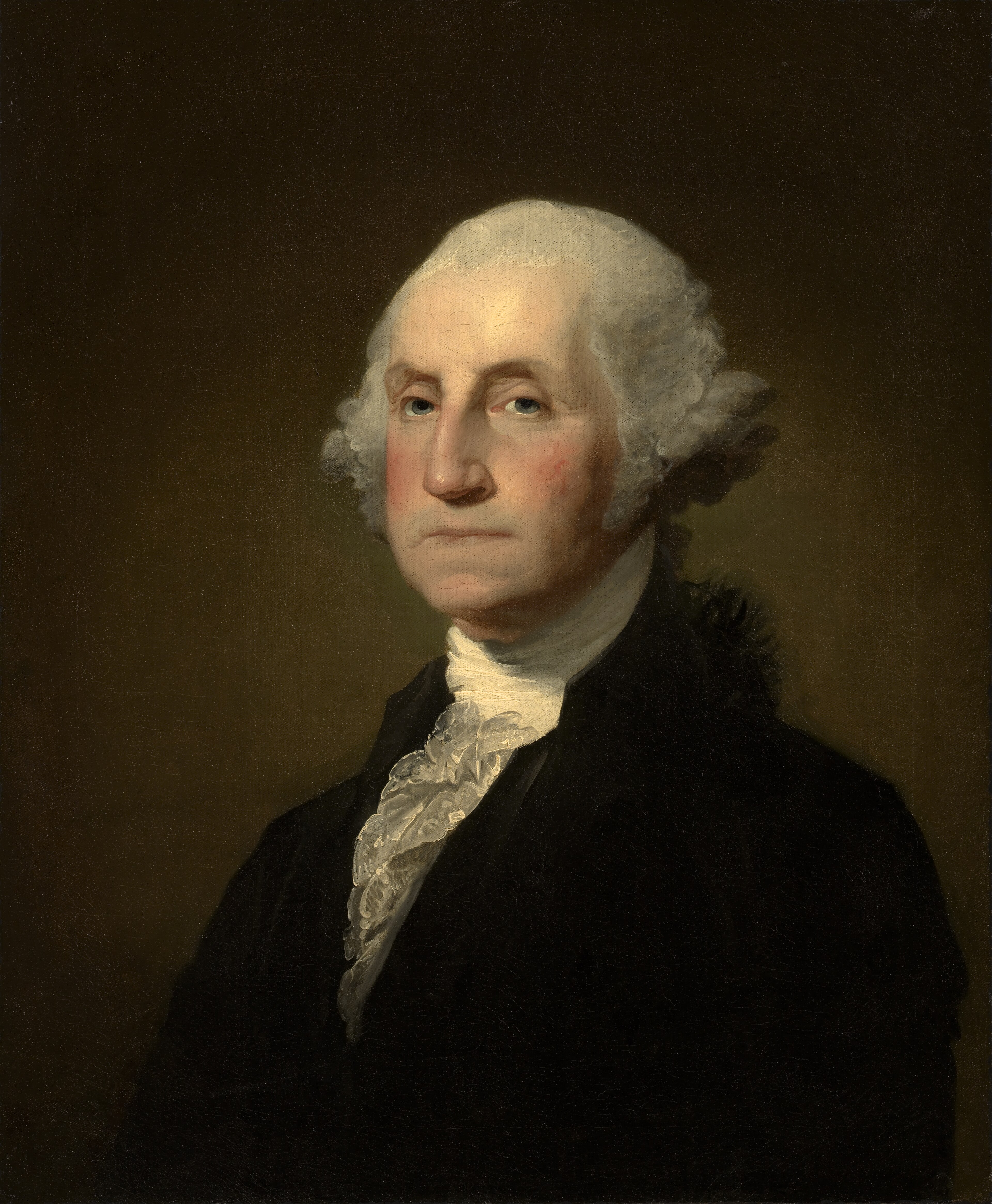
Washington's Farewell Address is the urtext on the dangers of factional spirit and personal-loyalty politics — leaders who put party above country.40 Paxton's primary campaign, impeachment, and personal-loyalty alliance are the precise pattern Washington feared; Talarico's institutional-restraint framing tracks Washington with a deduction for expanded-federal-government economics. The most provoking thing about this grade is that the candidate calling himself a Republican scores worst against the founder of the American republic on the founder's central concern.
Issue
Paxton
Talarico
Spirit of faction (Farewell Address)
Hurts
Helps
Paxton: Hurts · Talarico: Helps
Washington warned that the spirit of faction 'agitates the community with ill-founded jealousies' and 'foments occasionally riot and insurrection'; Paxton's primary-campaign assault on a sitting Republican senator is exactly that pattern, while Talarico's anti-faction framing through term limits and civility outreach (the 'coffee with the NRA member' posture) sits on Washington's side of the line.
Party loyalty above country
Hurts
Helps
Paxton: Hurts · Talarico: Helps
Washington warned specifically against leaders who would subordinate country to party; Paxton's alliance with a political movement built around personal loyalty to a leader is the precise pattern Washington feared, while Talarico's cross-aisle posture and institutionalist framing put country above party on this specific axis.
Impeachment / abuse of office
Hurts
Helps
Paxton: Hurts · Talarico: Helps
Washington treated public office as a republican trust, not a personal weapon; Paxton's impeachment for abuse of office4 runs hard against that framework, while Talarico's clean record and institutionalist framing of office-as-trust sit cleanly on Washington's side.
Term limits / anti-corruption
Hurts
Helps
Paxton: Hurts · Talarico: Helps
Washington's voluntary surrender of power after two terms is the founding precedent for term limits; Talarico's term-limits push and anti-corruption package2 align with Washington's institutional restraint, while Paxton's impeachment for abuse of office4 and lack of any term-limit or anti-corruption agenda cut against the Washington restraint axis.
Refusal of corporate PAC money
Hurts
Helps
Paxton: Hurts · Talarico: Helps
Washington warned in the Farewell Address against narrow interests capturing public office; Talarico's refusal of corporate PAC money2 is a direct application of that concern, while Paxton's reliance on conventional corporate and donor-class fundraising puts him on the opposite side of this specific narrow-interests test.
Civility toward political opponents
Hurts
Helps
Paxton: Hurts · Talarico: Helps
Washington modeled studied civility even with adversaries; Paxton's personal-attack campaign style runs against that, while Talarico's 'coffee with the NRA member' civility outreach tracks Washington's tone.
Expanded federal economic agenda
Helps
Hurts
Paxton: Helps · Talarico: Hurts
Washington was constitutionally cautious and would have found a large expanded-federal economic program troubling on its own terms; Talarico's economic agenda costs him ground on this specific axis, while Paxton's litigation record against federal economic expansions1 sits on Washington's restrained-federal-scope side of this row.
Sources
- Ken Paxton for U.S. Senate, official campaign issues page, accessed May 2026. (full list)
- Talarico for Texas, official campaign issues pages (taxes, education, healthcare, immigration, social media/AI, freedom-family-faith, public-safety-justice, corruption-democracy, labor-business), accessed May 2026. (full list)
- Patrick Svitek, 'Ken Paxton emerges victorious from yet another career scandal,' Texas Tribune, Sept. 17, 2023. (full list)
- Washington's Farewell Address (1796) on faction and foreign entanglements; Touro Synagogue letter (1790) on religious tolerance; voluntary surrender of power (1783, 1797). (full list)