A comprehensive comparison of Ken Paxton (R) and James Talarico (D), scored across a wide range of value systems — from Jesus to Thomas Jefferson to Warren Buffett to the interests of a six-year-old child.
The candidates
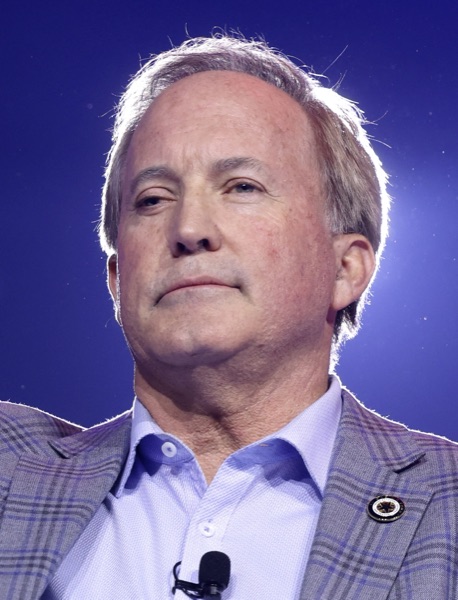
Ken Paxton (R)
Career
- 2015–present Attorney General of Texas (51st)
- 2013–2015 Texas State Senate, SD-8
- 2003–2013 Texas State House, HD-70
- pre-2003 Private law practice, McKinney, TX
- pre-2003 In-house counsel, J.C. Penney Company
Education
B.A. Psychology, Baylor University (1985); M.B.A., Baylor University (1986); J.D., University of Virginia School of Law (1991)
Notable credentials
- Baylor University student body president
- Filed 100+ lawsuits against the Biden administration as Texas AG
- Secured $1.4B Meta biometric-data settlement in 2024 — largest of its kind in U.S. AG history

James Talarico (D)
Career
- 2019–present Texas State Representative, HD-50
- 2017–2018 Executive Director, education nonprofit (Reasoning Mind)
- 2011–2013 Middle-school English teacher (Teach For America), Rhodes Middle School, San Antonio
Education
B.A. Government, UT Austin; M.Ed. Education Policy, Harvard Graduate School of Education; M.Div., Austin Presbyterian Theological Seminary
Notable credentials
- Vice Chair, TX House Committee on Trade, Workforce, and Economic Development
- Youngest member of the Texas Legislature during the 2019 session
- Teach For America corps member, San Antonio (2011)
Grader clusters
Each grader is a documented value system — a religious tradition, a historical figure, an organization, or a demographic interest. We score each candidate from 0 to 10 on how well their 2026 platform aligns with that grader's documented values, drawing on their documented positions on the policy issues this race will decide. Reasoning is capped at five sentences per cell and footnoted to a numbered sources list.
The aggregate hides more than it reveals. Browse the scoring overview for cluster patterns, individual grader pages for the reasoning, or jump to the issue-by-issue comparison to see where the candidates actually differ on policy.
Foundational moral figures
Founding fathers
Texas figures
Later presidents
Other politicians & military leaders
Jurists
Contemporary leaders
Public intellectuals
Business leaders
Interests by life stage
Institutions & organizations
Methodology
Grading framework
Each grader is a documented value system — a religious tradition, a historical figure, an organization, or a demographic interest. Each candidate is scored 0–10 on how well their whole 2026 platform, as a package, aligns with that grader's documented values. Most scores land between 2 and 8 because real candidates have genuine internal contradictions and partial alignments.
Issues
Underneath the grader scores is a per-policy comparison: each candidate's documented position on the policy questions this race will decide, side by side. See the issue-by-issue comparison for the full set.
Sources
Positions are pieced together from official campaign materials, questionnaire responses, debate transcripts, prior actions in office, and media coverage. Ken Paxton declined the Texas Tribune candidate questionnaire and has not debated, so his positions are drawn from past Attorney General actions, official campaign-website statements, and Trump's endorsement language. James Talarico's positions are drawn primarily from his published per-issue policy pages, supplemented by media coverage. Every reasoning cell is footnoted to a numbered sources list.
Limitations
Reading historical figures' values into 2026 American politics is unavoidably interpretive. The Hebrew Prophets cannot literally weigh in on Medicare buy-in; Lincoln cannot rate Trump tariffs. What this site does is apply each grader's documented framework — what they said, wrote, prioritized, and built — to the decisions a U.S. senator from Texas will make.
The aggregate score hides more than it reveals: the same candidate scores high with one cluster and low with another. The interesting reading is the cluster-by-cluster pattern, not the average.