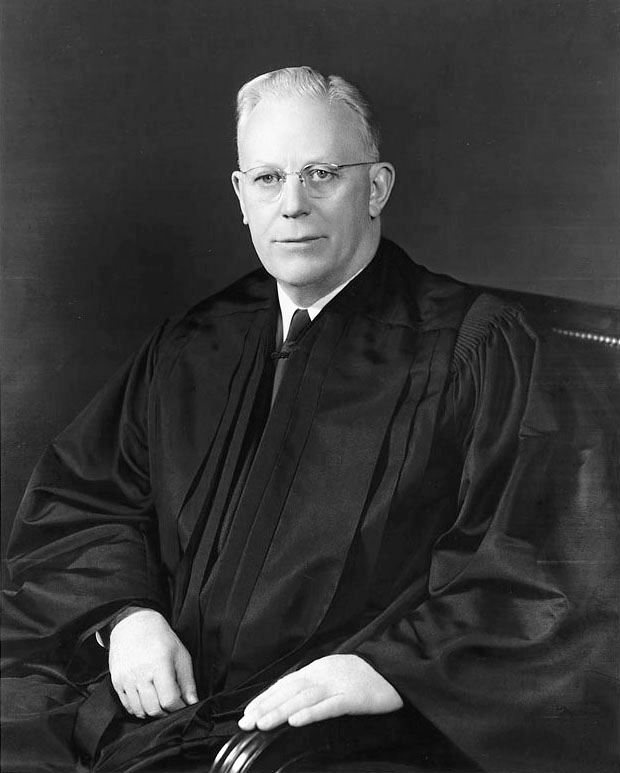
The Warren Court (1953–1969) framework — Bill-of-Rights incorporation against the states, the criminal-procedure revolution (Miranda, Gideon, Mapp), equal-protection enforcement (Brown), expanded civil-rights standing, and the Engel v. Vitale establishment-clause line63 — runs against essentially every dimension of Paxton's record (voter-ID and Texas v. Pennsylvania litigation, the Waco one-day plea deal, the Ten Commandments classroom mandate, DACA litigation) and tracks closely with Talarico's anti-corruption framework, voting-rights advocacy, criminal-justice reform, opposition to Ten Commandments and chaplaincy mandates, and citizenship-pathway immigration framework, with two points off Talarico for Warren-era criminal-procedure pushback on his gun-safety enforcement positions.
Voting rights / equal-protection jurisprudence
Hurts
Helps
Paxton: Hurts · Talarico: Helps
The Warren Court built the modern voting-rights and equal-protection framework (Reynolds v. Sims, Harper); Paxton's voter-ID defense and Texas v. Pennsylvania litigation
1 cut against that jurisprudence, while Talarico's John Lewis VRA advocacy
2 is its direct modern continuation.
Brown v. Board / equal protection
Hurts
Helps
Paxton: Hurts · Talarico: Helps
Brown's equal-protection framework extended to non-citizens through Plyler v. Doe and the broader equal-protection line; Paxton's DACA litigation
1 cuts against equal-protection-for-non-citizens jurisprudence, while Talarico's defense of Plyler-protected school access for undocumented children and his broader equal-protection-expansion framing
2 track Brown's lineage directly.
Criminal-procedure due process (Miranda, Gideon, Mapp)
Hurts
Mixed
Paxton: Hurts · Talarico: Mixed
The Warren criminal-procedure revolution treated defendant due-process protections as foundational; the Waco one-day plea deal in a child-sex-abuse case from Paxton's office
6 runs against criminal-procedure integrity, while Talarico's criminal-justice-reform package
2 tracks the framework but some Warren-era civil-libertarians would push back on his gun-safety enforcement on civil-liberties grounds.
Establishment Clause / Engel v. Vitale
Hurts
Helps
Paxton: Hurts · Talarico: Helps
Engel v. Vitale (1962) struck down state-mandated religious exercises in public schools;
63 Paxton's Ten Commandments classroom mandate
1 is the precise practice the Engel line was built to prohibit, while Talarico's opposition to Ten Commandments mandates and chaplaincy laws
2 codifies the Engel framework.
Immigration / citizenship pathways
Hurts
Helps
Paxton: Hurts · Talarico: Helps
The Warren equal-protection framework's expanded standing supports immigration reform with citizenship pathways; Talarico's 'front porch' citizenship-pathway framework
2 tracks that jurisprudence, while Paxton's DACA litigation, sanctuary-city suits, and deportation-first posture
1 run against citizenship-pathway immigration reform.
Civil-rights anti-corruption / institutional integrity
Hurts
Helps
Paxton: Hurts · Talarico: Helps
The Warren Court relied on institutional integrity to enforce expanded standing for civil-rights litigation; Paxton's abuse-of-office impeachment and forum-shopping practices are the kind of institutional decay that erodes that framework, while Talarico's anti-corruption package
2 is its policy translation.
Gun-safety enforcement vs criminal-procedure civil liberties
—
Hurts
Paxton: — · Talarico: Hurts
Some Warren-era criminal-procedure framework would push back on Talarico's gun-safety enforcement on civil-liberties grounds, costing him two points despite his depth of alignment everywhere else. Paxton's pro-gun-rights instincts happen to point the same skeptical-of-enforcement direction this row pushes, but the Warren-court framework refuses to credit him for the right answer arrived at for the wrong reasons — his broader civil-liberties hostility (mass-surveillance posture, ICE cooperation, voter-rights litigation) is the opposite of the rights-protective constitutionalism Warren-era civil-libertarians defended.