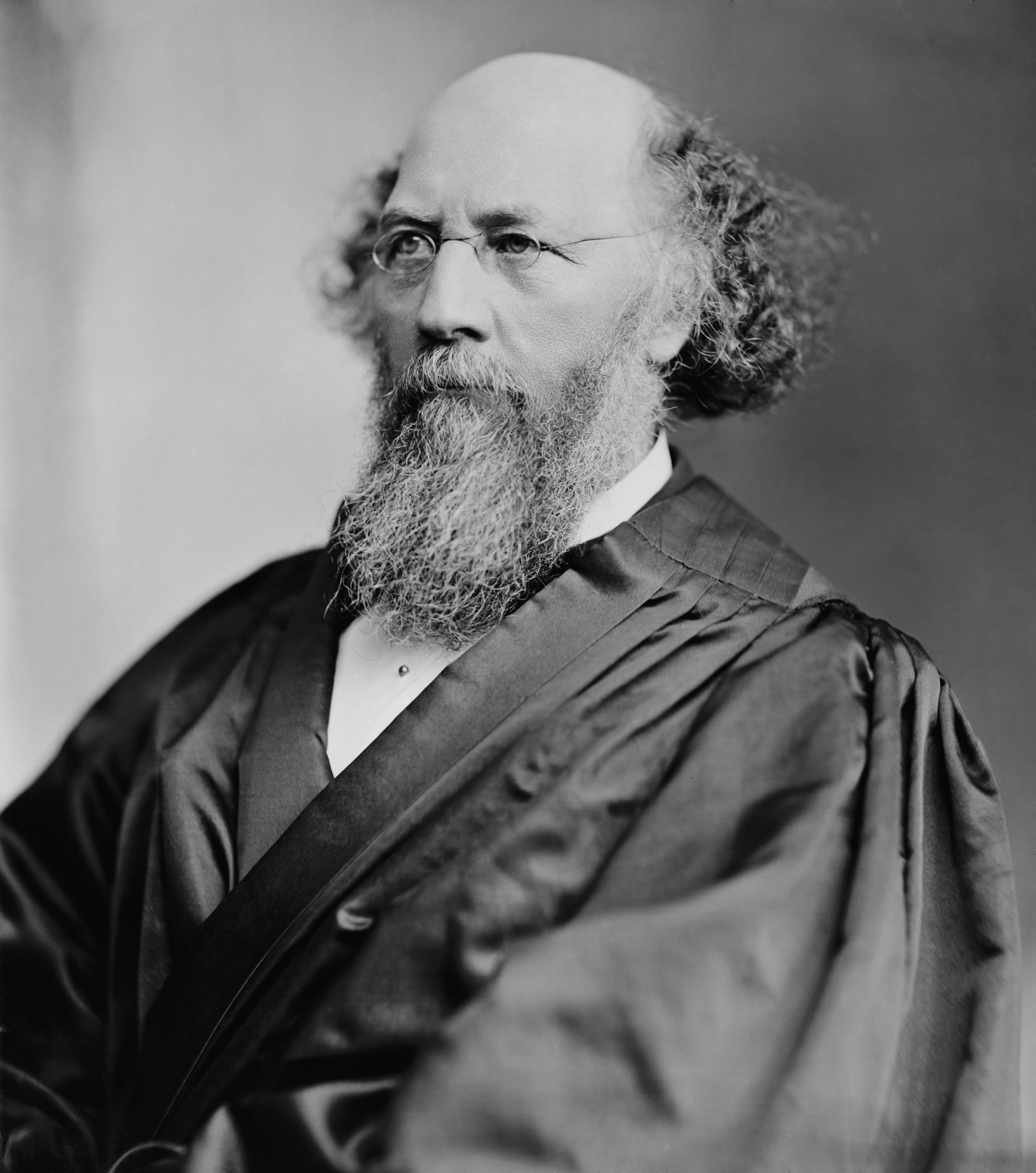
Lochner / classical-liberal tradition
economic substantive due process, 1897–1937
The Lochner classical-liberal framework (1897–1937) — economic liberty as substantive due process, freedom of contract, property rights, and skepticism of progressive economic regulation, exemplified by Field, Peckham, and Sutherland62 — aligns with Paxton's economic-deregulation, anti-ESG litigation, opposition to labor regulation, and property-rights orientation but is also skeptical of state-power expansion for cultural-conservative ends (the Ten Commandments mandate, AG-power moral regulation), while Talarico's $15 minimum wage, corporate tax increases, stock-buyback tax, and antitrust expansion are the precise pattern the framework was built to limit; the narrow P+1 reflects Lochner's preference for Paxton's substantive economics tempered by trouble over his institutional-process record.
Sources
- Ken Paxton for U.S. Senate, official campaign issues page, accessed May 2026. (full list)
- Talarico for Texas, official campaign issues pages (taxes, education, healthcare, immigration, social media/AI, freedom-family-faith, public-safety-justice, corruption-democracy, labor-business), accessed May 2026. (full list)
- The Lochner-era Supreme Court (1897-1937); Lochner v. New York, 198 U.S. 45 (1905); Adkins v. Children's Hospital, 261 U.S. 525 (1923); the 'Four Horsemen' — Sutherland, Van Devanter, McReynolds, Butler; Bernard Siegan, 'Economic Liberties and the Constitution' (1980); David Bernstein, 'Rehabilitating Lochner' (2011). (full list)