Scoring · Later presidents
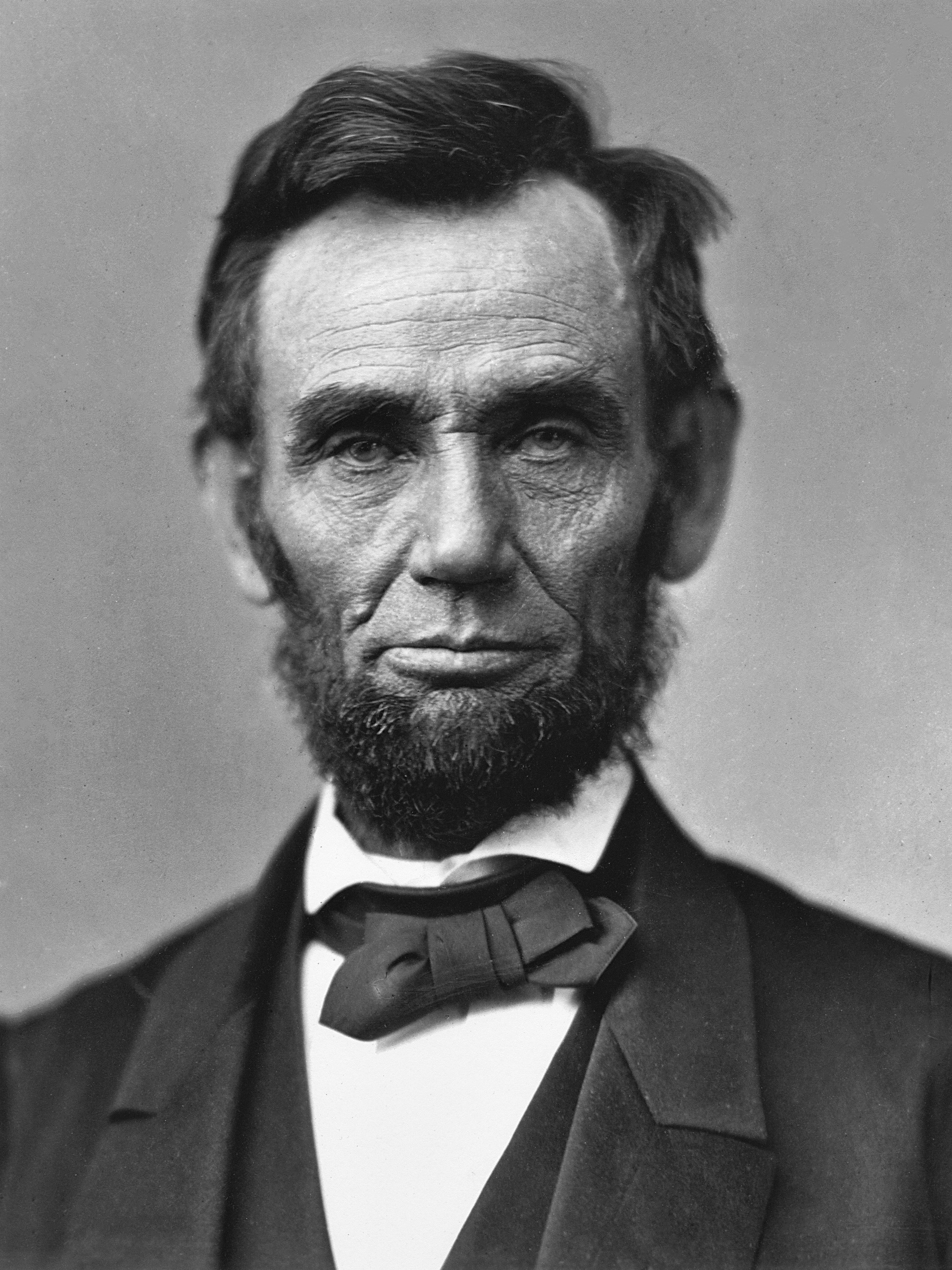
Lincoln, Abraham
1861–1865
Alexander Gardner. Public domain via Wikimedia Commons.
Lincoln's framework — Union over faction, anti-nativism, reconciliation, and religious humility — runs hard against Paxton's anti-immigrant and faction-first record, while Talarico's anti-Know-Nothing immigration posture and religious humility track Lincoln's character despite policy gaps on Lincoln's protectionism and 1860-era social conservatism.39
Issue
Paxton
Talarico
Union preservation over faction
Hurts
Helps
Paxton: Hurts · Talarico: Helps
Lincoln's defining commitment was Union over faction; Paxton's faction-first primary strategy against a sitting Republican is the precise pattern Lincoln treated as disqualifying, while Talarico's anti-faction framing through term limits and SCOTUS ethics2 tracks Lincoln's Union-first instinct.
Anti-slavery / 13th-14th-15th Amendments lineage
Hurts
Helps
Paxton: Hurts · Talarico: Helps
Lincoln signed the 13th Amendment and built the Reconstruction Amendments' framework; Talarico's John Lewis VRA and voting-rights advocacy2 are the modern continuation of that lineage, while Paxton's litigation and enforcement push to narrow voter access1 cut the other way on the 15th Amendment side of that lineage.
'With malice toward none' / reconciliation
Hurts
Helps
Paxton: Hurts · Talarico: Helps
Anti-nativism (1855 Know-Nothings letter)
Hurts
Helps
Paxton: Hurts · Talarico: Helps
Lincoln's 1855 letter denouncing the Know-Nothings ('all men are created equal, except negroes, and foreigners, and Catholics')39 makes anti-nativism a defining Lincoln commitment; Paxton's anti-immigrant framing1 is the modern Know-Nothing analog, while Talarico's 'front porch' immigration framework2 mirrors Lincoln's anti-Know-Nothing stance.
Religious humility ('both read the same Bible')
Hurts
Helps
Paxton: Hurts · Talarico: Helps
Federalism / states' rights
Helps
Hurts
Paxton: Helps · Talarico: Hurts
Lincoln operated inside a federalist framework even while preserving the Union; Paxton's federalism record earns partial Lincoln credit on this axis, while Talarico's expanded federal economic and regulatory agenda runs against Lincoln-era state-discretion instincts.
'Republican' party continuity framing
Helps
—
Paxton: Helps · Talarico: —
Paxton frames himself as a Republican in direct continuity with Lincoln's party, earning surface credit on the partisan-lineage axis even where his substantive record diverges. Talarico runs as a Democrat and is not a factor on this row.
Pro-tariff / protectionist economics
Helps
Hurts
Paxton: Helps · Talarico: Hurts
Anti-corruption package
Hurts
Helps
Paxton: Hurts · Talarico: Helps
Lincoln's framework treated institutional integrity as part of Union preservation; Talarico's anti-corruption package — SCOTUS ethics, congressional stock-trading ban, term limits2 — tracks that concern, while Paxton's impeachment for abuse of office and the settled 2024 securities case run hard against it.
Progressive social policy beyond 1860 Lincoln
Helps
Hurts
Paxton: Helps · Talarico: Hurts
Talarico's full cultural-liberal platform2 extends well beyond what 1860-era Lincoln would have recognized, costing him points on the temperamental-fit half of the grader. Paxton's social conservatism1 stays closer to 1860 Lincoln's personal temperament on this specific axis, even though his platform diverges from Lincoln elsewhere.
Sources
- Ken Paxton for U.S. Senate, official campaign issues page, accessed May 2026. (full list)
- Talarico for Texas, official campaign issues pages (taxes, education, healthcare, immigration, social media/AI, freedom-family-faith, public-safety-justice, corruption-democracy, labor-business), accessed May 2026. (full list)
- Lincoln, Cooper Union Address (1860); Second Inaugural Address (1865); denunciation of the Know-Nothings (Aug. 1855 letter to Joshua Speed). (full list)