Scoring · Business leaders
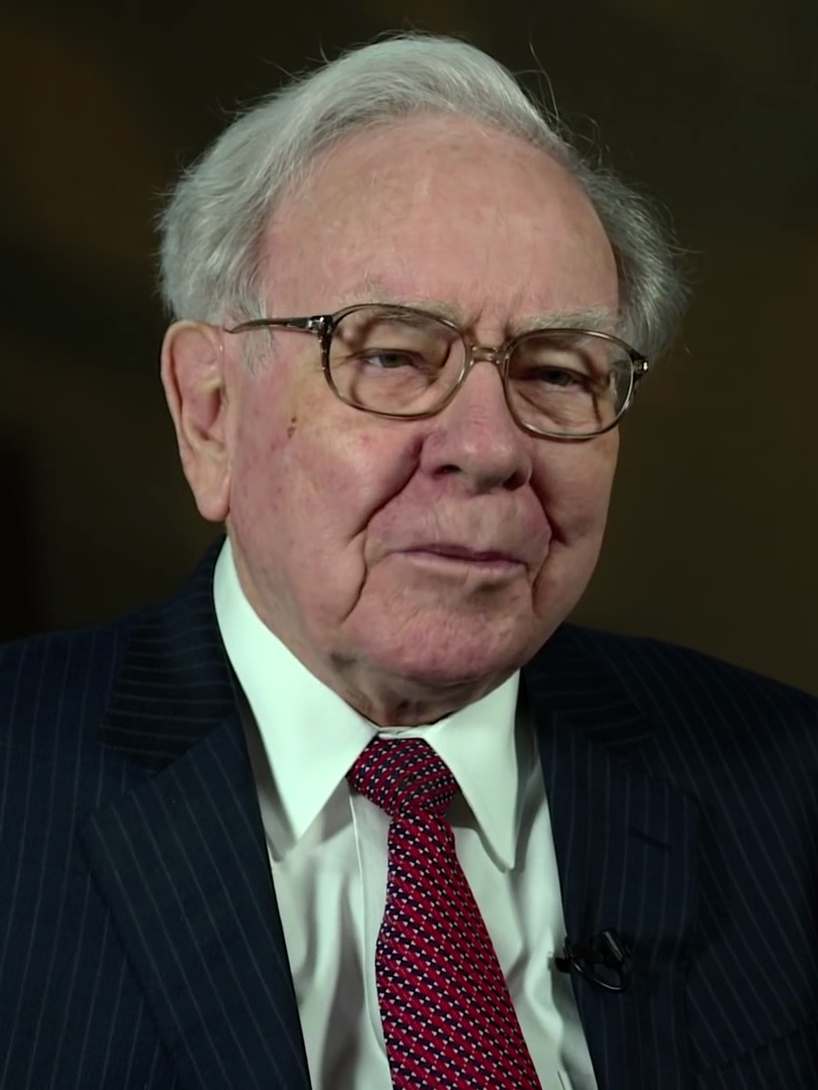
Buffett, Warren
1930–
USA International Trade Administration. Public domain via Wikimedia Commons.
Buffett's framework is progressive taxation (the Buffett Rule), long-term capitalism, anti-buyback, anti-dynasty (the Giving Pledge), pro-free-trade, pro-banking-regulation, anti-crypto, and deeply institutionalist.42 His institutionalism makes him more skeptical of the Trump-Paxton mode than other business graders are; Talarico aligns on tax-fairness with friction on the $15 minimum wage and sharper anti-billionaire rhetoric.
Issue
Paxton
Talarico
Progressive taxation (the Buffett Rule)
Hurts
Helps
Paxton: Hurts · Talarico: Helps
Buffett famously argued his secretary pays a higher tax rate than he does and pushed the Buffett Rule for fairness;42 Talarico's higher-taxes-on-billionaires platform and closing-corporate-$0-tax-loopholes2 match directly, while Paxton's opposition to higher capital-gains and federal billionaire taxation1 runs against the Buffett Rule's fairness logic.
Stock buybacks
—
Helps
Paxton: — · Talarico: Helps
Tariffs and free trade
Hurts
Helps
Paxton: Hurts · Talarico: Helps
Personal-conduct scandals
Hurts
—
Paxton: Hurts · Talarico: —
Buffett would treat Paxton's personal scandals as disqualifying for any Berkshire executive; this is one of the heaviest negative weights in the Buffett framework. Talarico does not engage on this row.
Crypto
Hurts
—
Paxton: Hurts · Talarico: —
No-state-income-tax framing / anti-ESG
Mixed
Mixed
Paxton: Mixed · Talarico: Mixed
Buffett's institutionalism gives partial credit for Texas's no-state-income-tax framing and traditional anti-ESG positioning,1 but it does not offset the institutional-decline concerns above. Talarico's pro-regulation and pro-ESG financial-disclosure posture2 sits on the opposite side of the anti-ESG plank but aligns with Buffett's broader institutionalist accounting concerns, netting to mixed on this combined row.
Anti-corruption / institutional stability
Hurts
Helps
Paxton: Hurts · Talarico: Helps
Buffett's institutionalism treats American institutional stability as a foundational capitalist good; Paxton's institutional-corruption record runs against that, while Talarico's anti-corruption framing2 matches Buffett's institutionalist commitments.
Personal-attack campaign style / Midwestern civility
Hurts
Helps
Paxton: Hurts · Talarico: Helps
Buffett models Midwestern civility as a public capitalist virtue; Paxton's personal-attack campaign style runs against that, while Talarico's measured-tone campaign rhetoric and refusal to demonize opponents2 fit Buffett's Midwestern civility model directly.
$15 federal minimum wage
—
Hurts
Paxton: — · Talarico: Hurts
Buffett has historically favored EITC expansion over minimum-wage hikes as more economically efficient; Talarico's $15 federal minimum wage2 costs him Buffett points. Paxton does not engage minimum-wage policy here.
Anti-billionaire rhetoric
—
Mixed
Paxton: — · Talarico: Mixed
Buffett himself has criticized aggressive anti-billionaire rhetoric as counterproductive even while supporting higher taxes on the wealthy; Talarico's sharper anti-billionaire framing2 draws Buffett-style friction. Paxton's posture on this is irrelevant to the row.
Sources
- Ken Paxton for U.S. Senate, official campaign issues page, accessed May 2026. (full list)
- Talarico for Texas, official campaign issues pages (taxes, education, healthcare, immigration, social media/AI, freedom-family-faith, public-safety-justice, corruption-democracy, labor-business), accessed May 2026. (full list)
- Warren Buffett, 'Stop Coddling the Super-Rich,' New York Times op-ed, Aug. 14, 2011; Berkshire Hathaway annual letters; the Giving Pledge (2010); Buffett-Munger commentary on buybacks and executive compensation. (full list)