Scorers
62 documented value systems used to grade candidates — religious traditions, historical figures, organizations, and demographic interests. Each links out to its source so you can read about the scorer directly.
Foundational moral figures
-
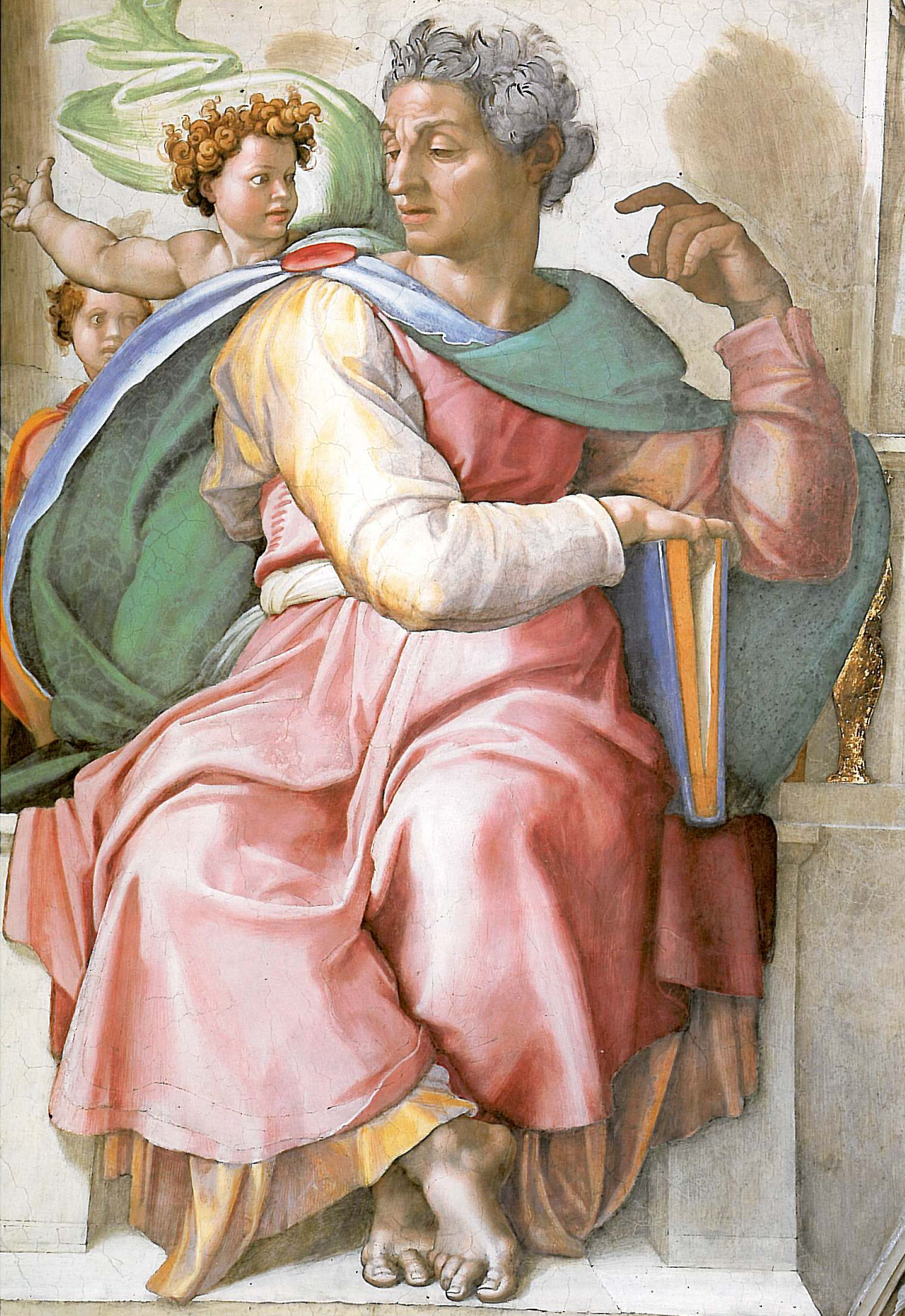 Hebrew Prophets, The 8th–6th c. BCE
The Hebrew Prophets (Isaiah, Amos, Micah, Jeremiah, and others) are the moral-political voices of the Hebrew Bible, calling kings and priests to justice for the poor and the stranger.
-
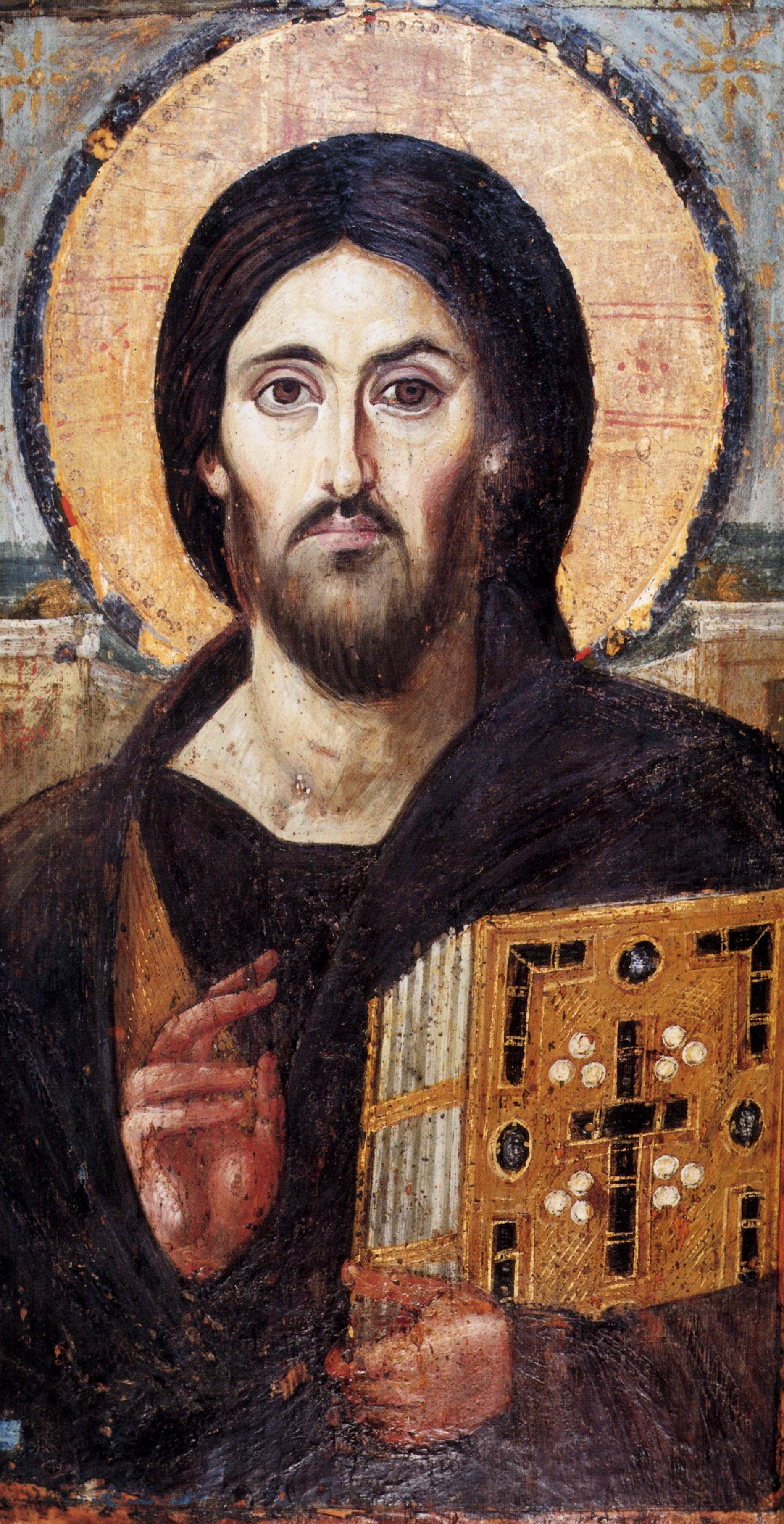 Jesus of the Gospels c. 4 BCE–c. 30 CE
First-century Jewish teacher whose ethics, gathered in the Gospels, center the poor, the sick, and the stranger and warn against religious authority used for political power.
-
 Muhammad, Prophet 570–632 CE
Seventh-century founder of Islam; the Quran and authenticated hadith center care for the poor and orphans, justice for the oppressed, and mercy as God's central attribute.
-
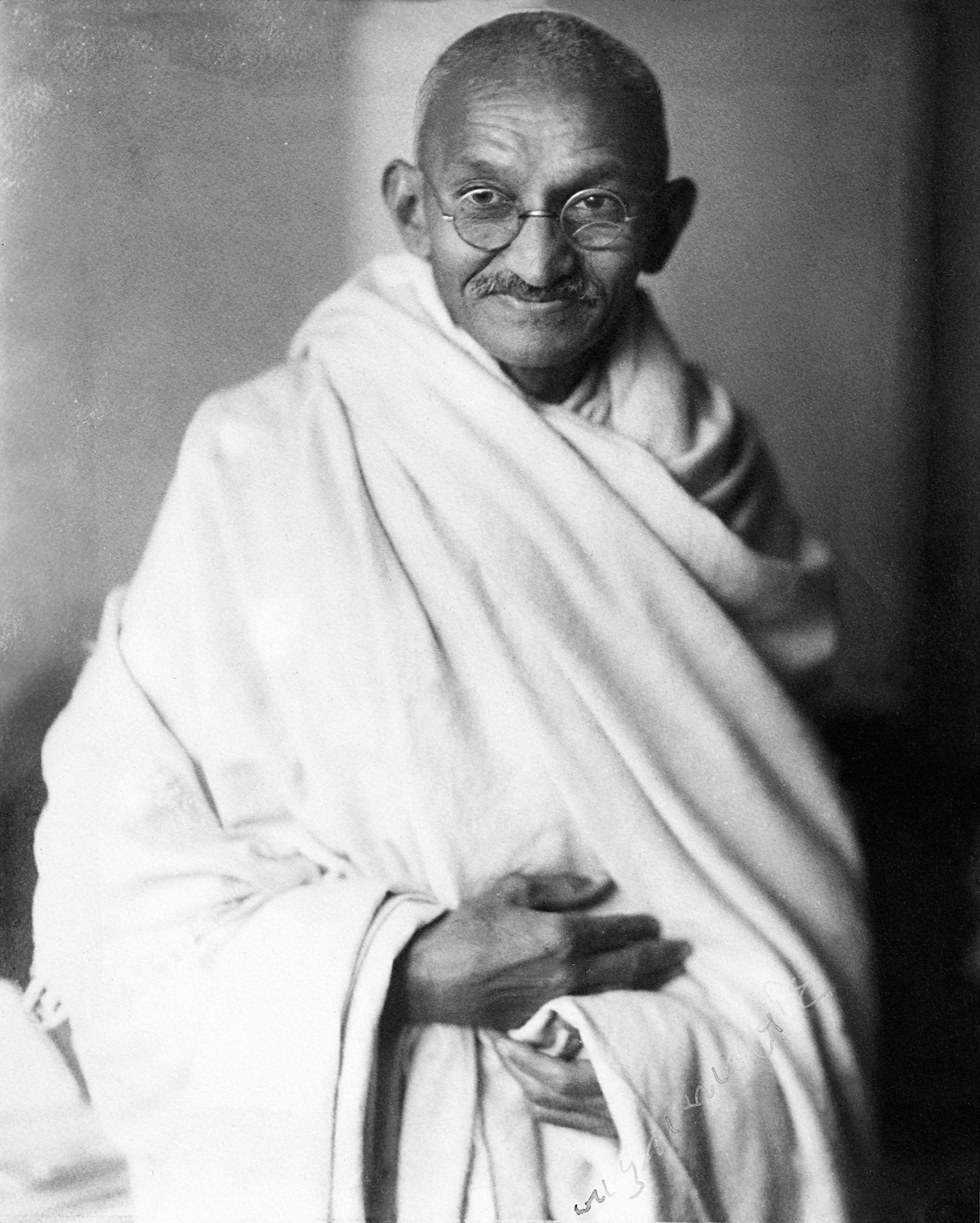 Gandhi, Mahatma 1869–1948
Indian independence leader (1869–1948) who built a political ethic of nonviolence, religious pluralism, civil disobedience, and skepticism of industrial scale.
-
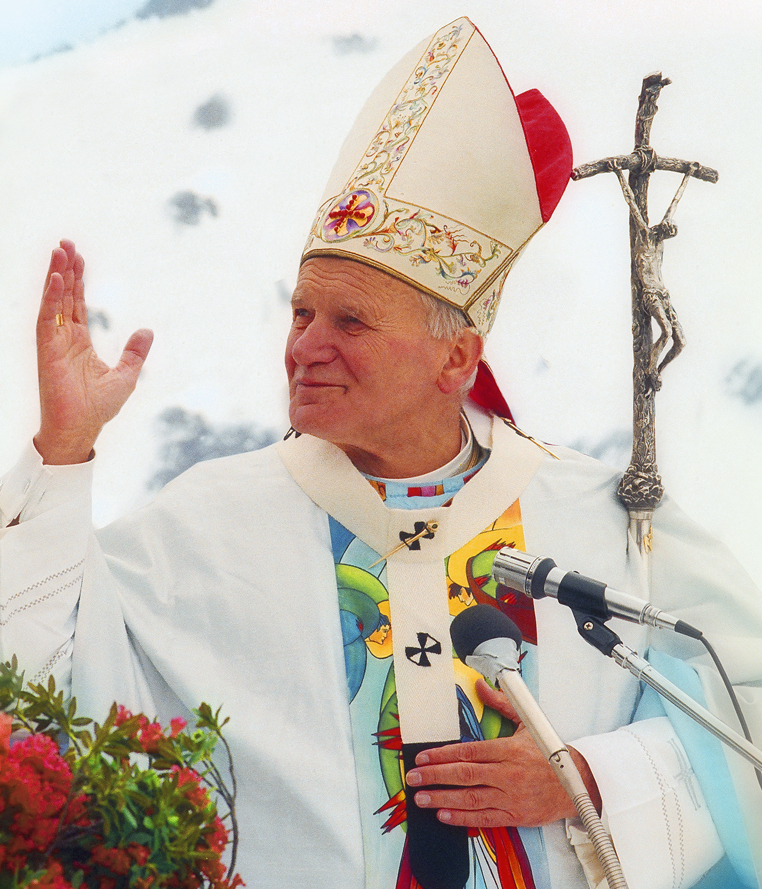 Pope John Paul II papacy 1978–2005
Pope of the Catholic Church 1978–2005; Polish-born John Paul II combined doctrinal orthodoxy with strong social-justice teaching, opposition to communism, and defense of human dignity.
-
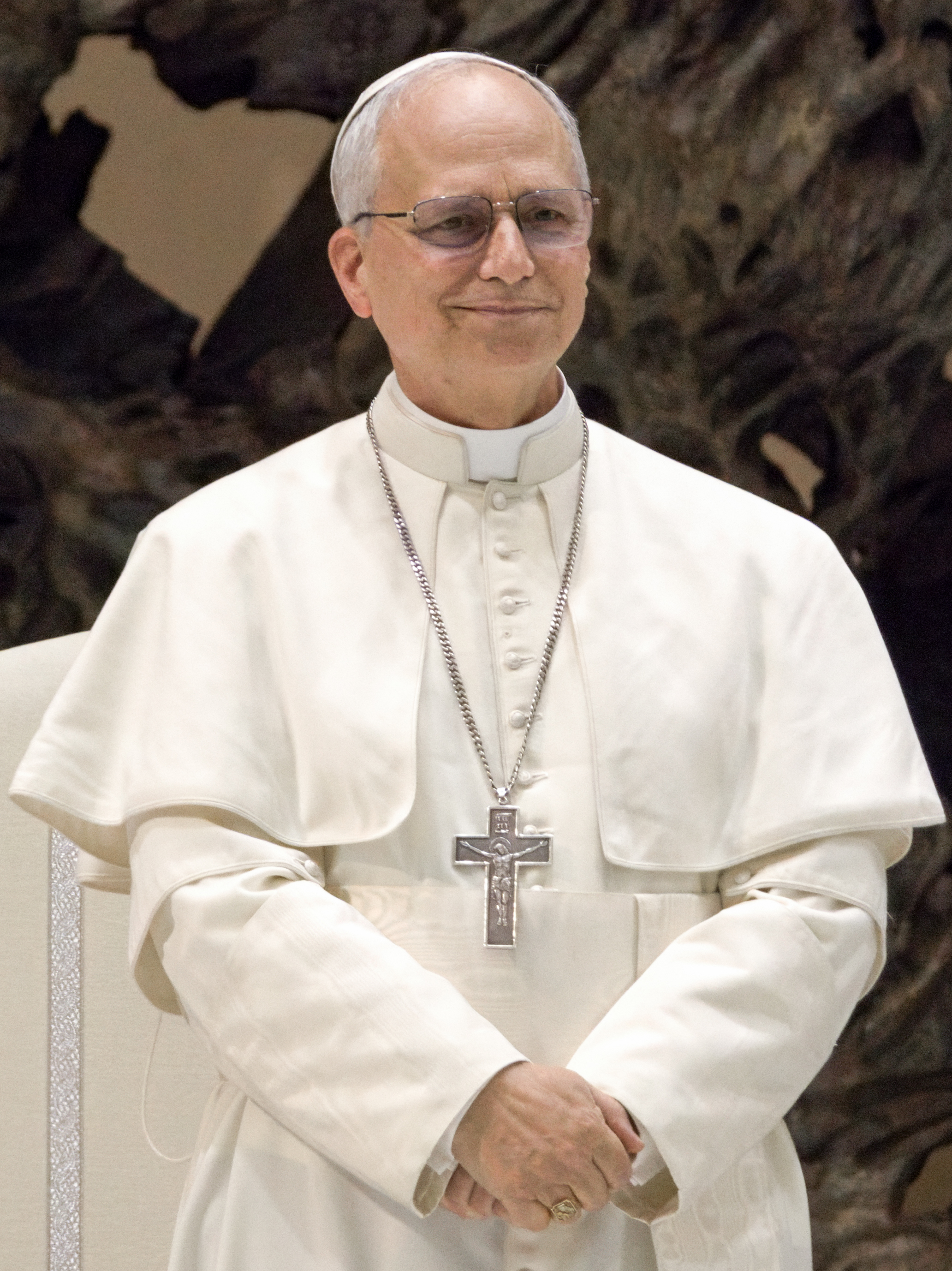 Pope Leo XIV papacy 2025–
Robert Francis Prevost, elected pope in 2025; the first U.S.-born pope, an Augustinian friar with long missionary work in Peru.
Founding fathers
-
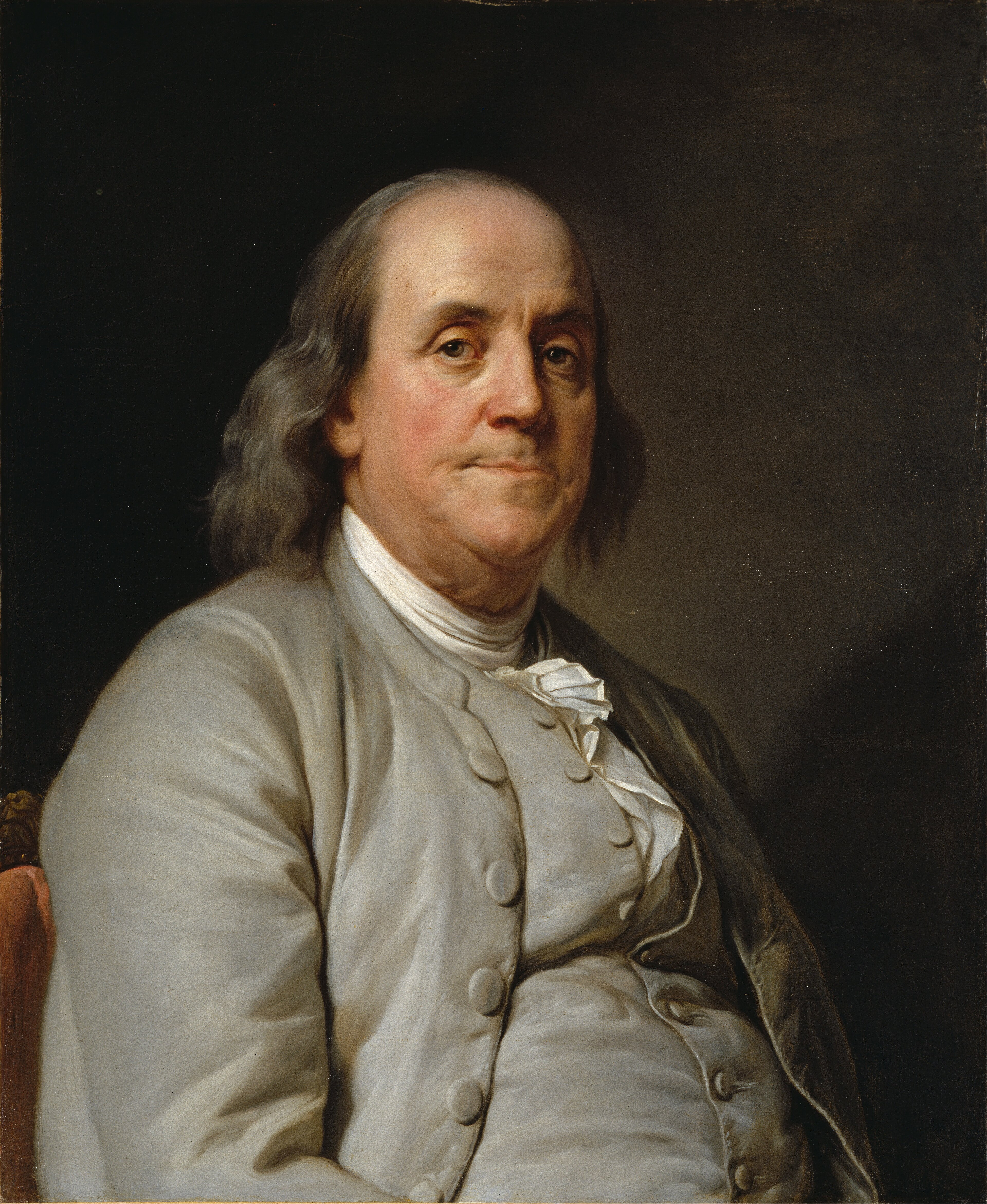 Franklin, Benjamin 1706–1790
American polymath, diplomat, and printer (1706–1790); signer of the Declaration of Independence and the Constitution, known for civic-virtue republicanism.
-
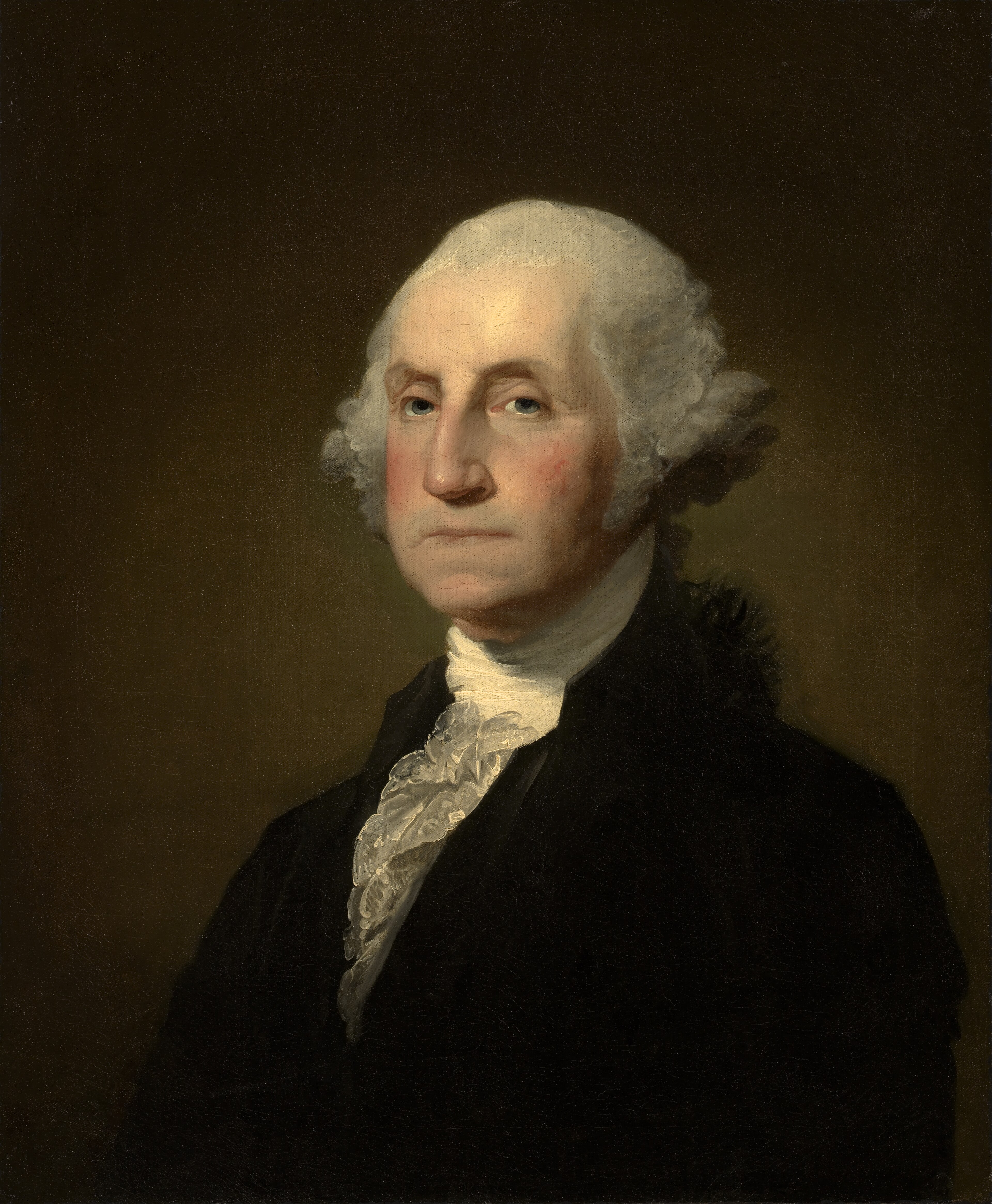 Washington, George 1789–1797
Commander of the Continental Army and first U.S. president (1789–1797), whose Farewell Address warned against political parties and entangling foreign alliances.
-
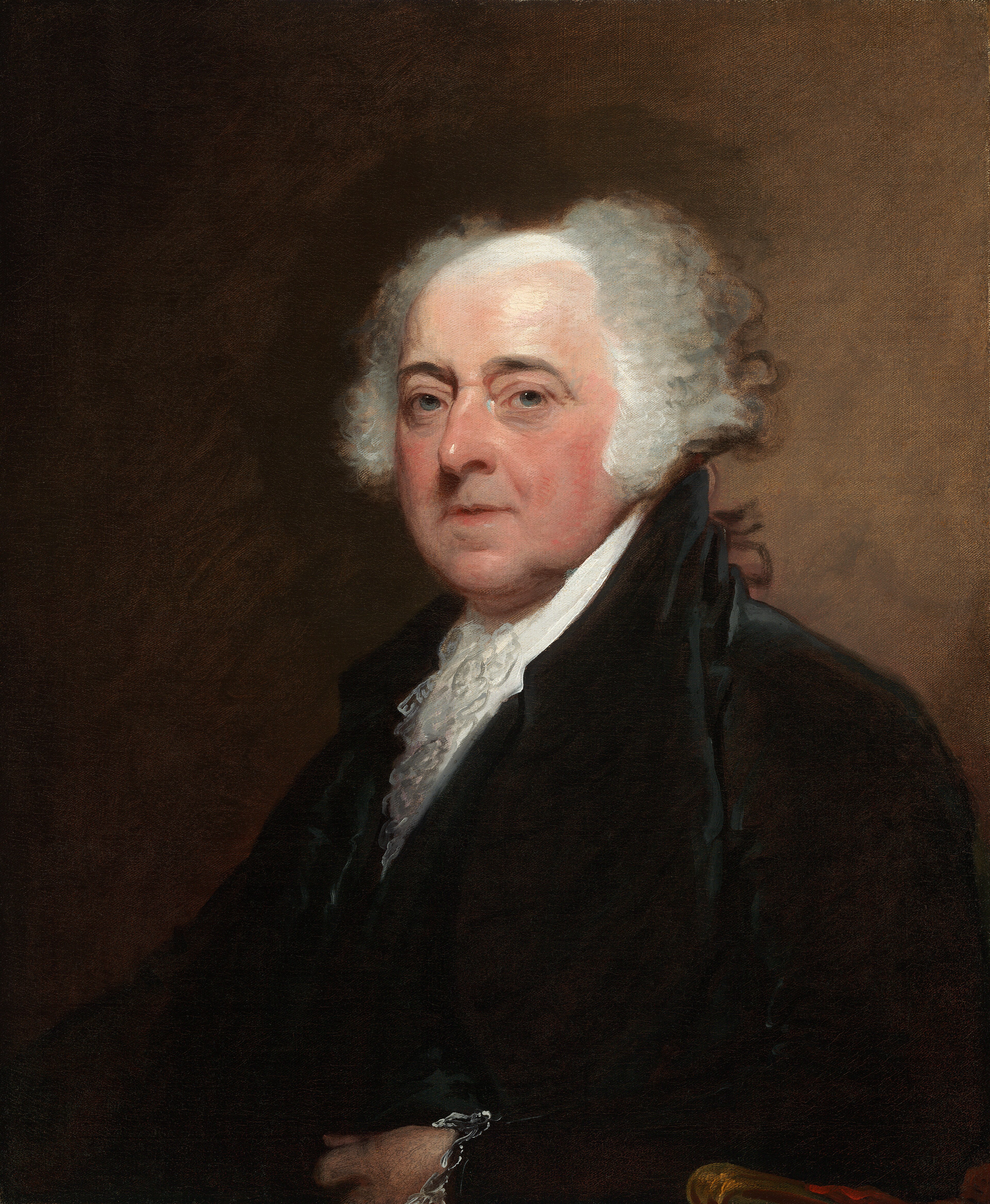 Adams, John 1797–1801
Second U.S. president (1797–1801); a Federalist and Massachusetts lawyer who championed constitutional restraint and judicial independence.
-
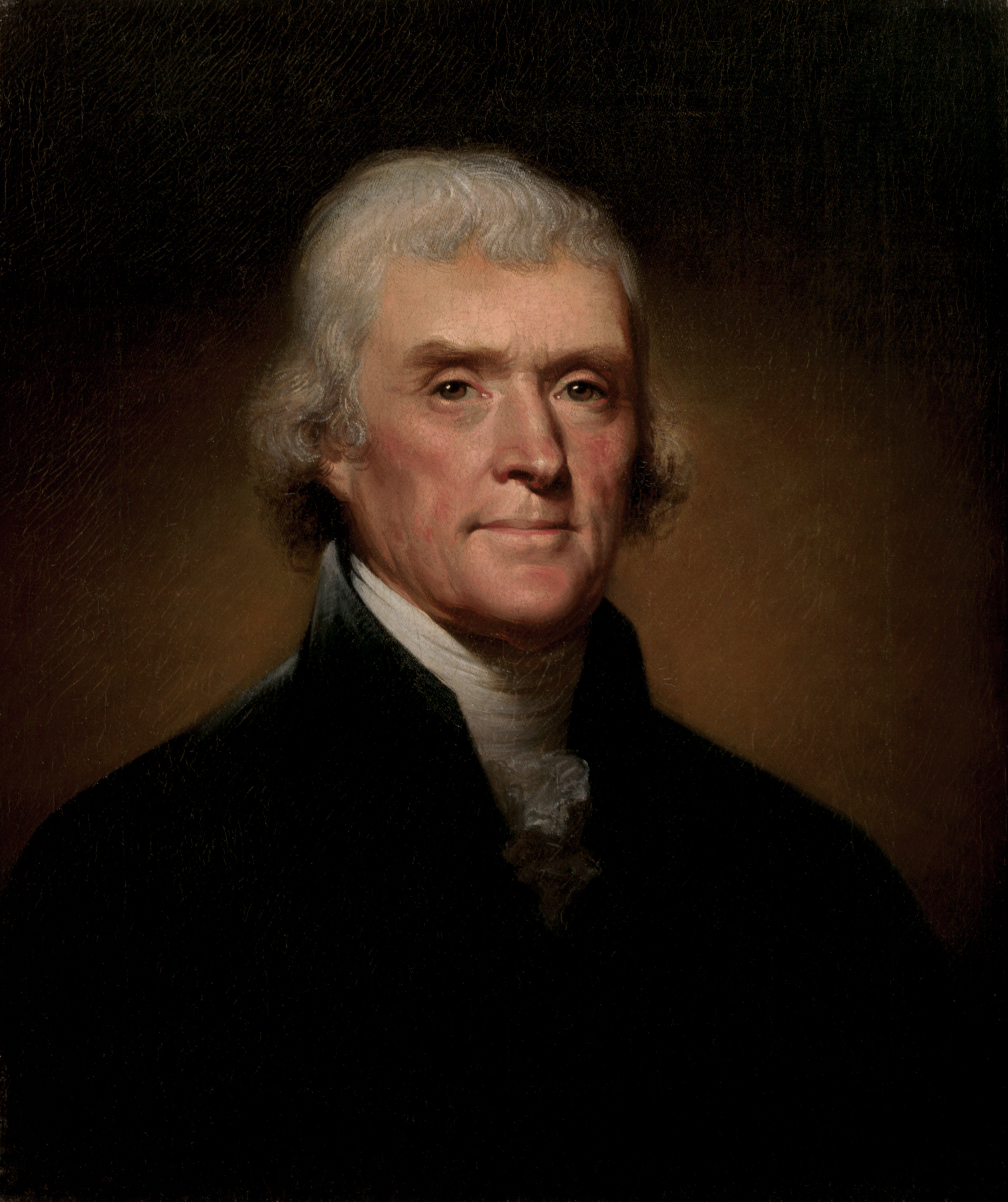 Jefferson, Thomas 1801–1809
Third U.S. president (1801–1809); author of the Declaration of Independence and architect of the Virginia Statute for Religious Freedom.
-
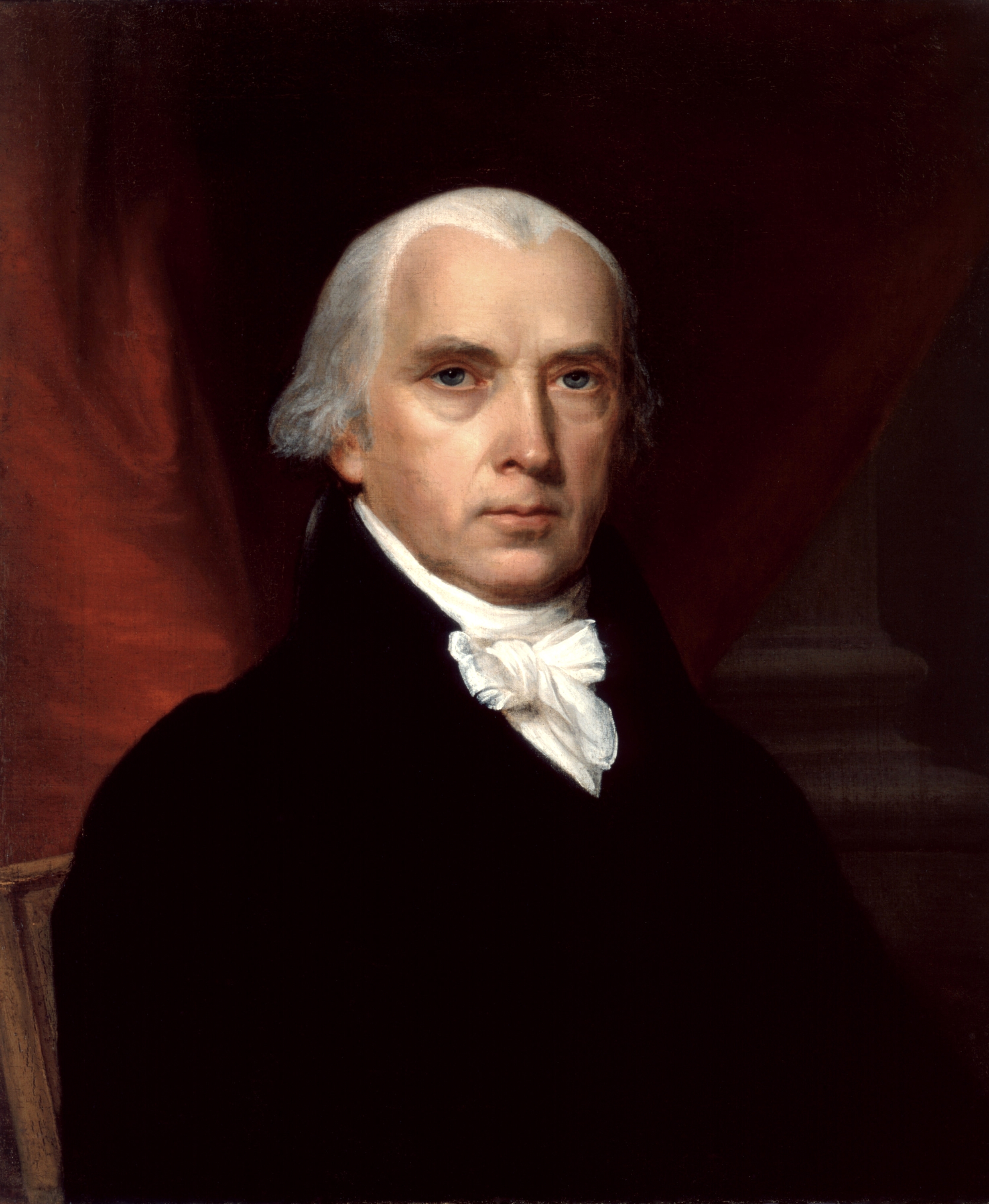 Madison, James 1809–1817
Fourth U.S. president (1809–1817); principal architect of the Constitution and Bill of Rights and a co-author of the Federalist Papers.
-
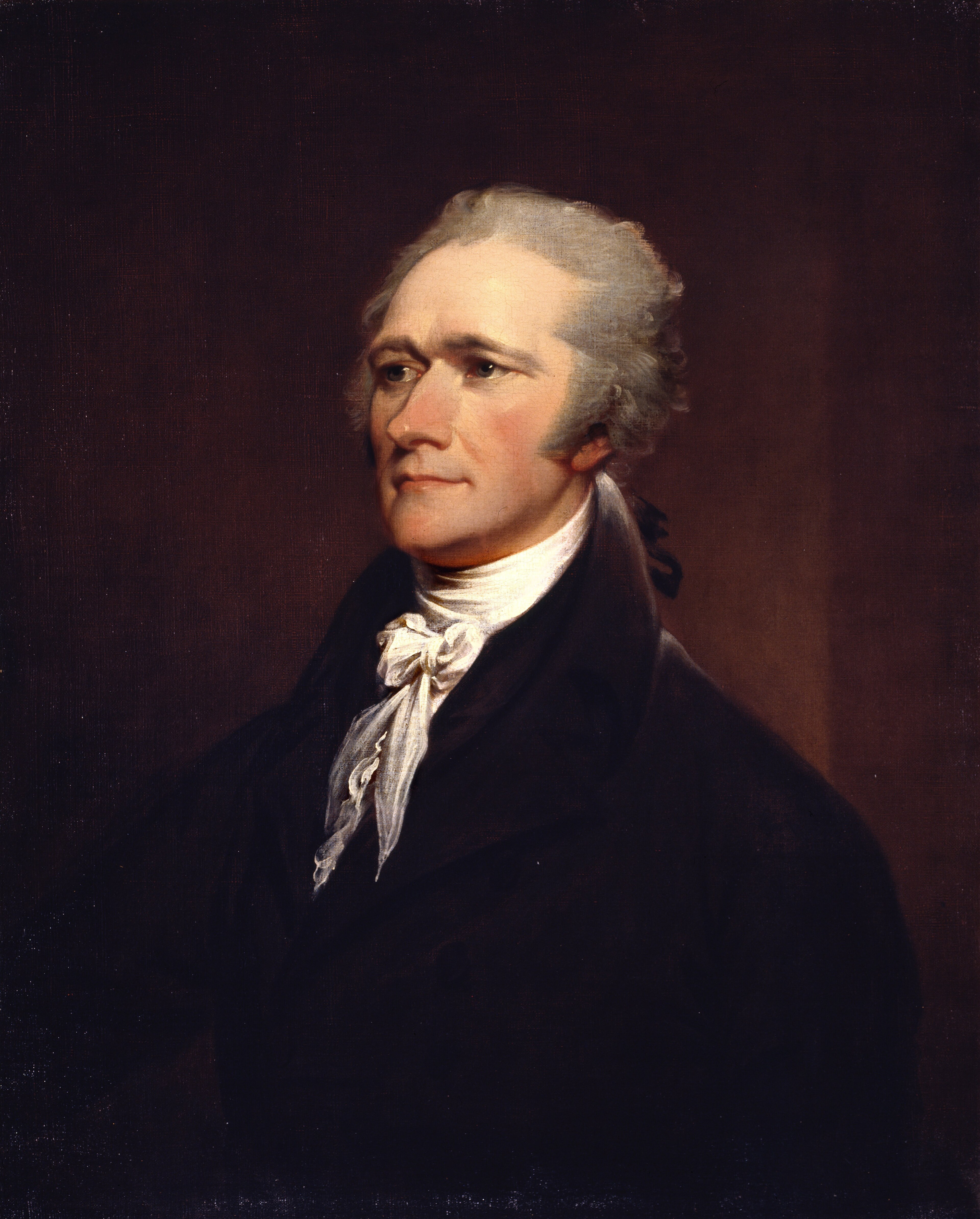 Hamilton, Alexander 1755–1804
First U.S. Treasury Secretary (1755–1804); architect of American industrial capitalism, strong central government, and the federal financial system.
-
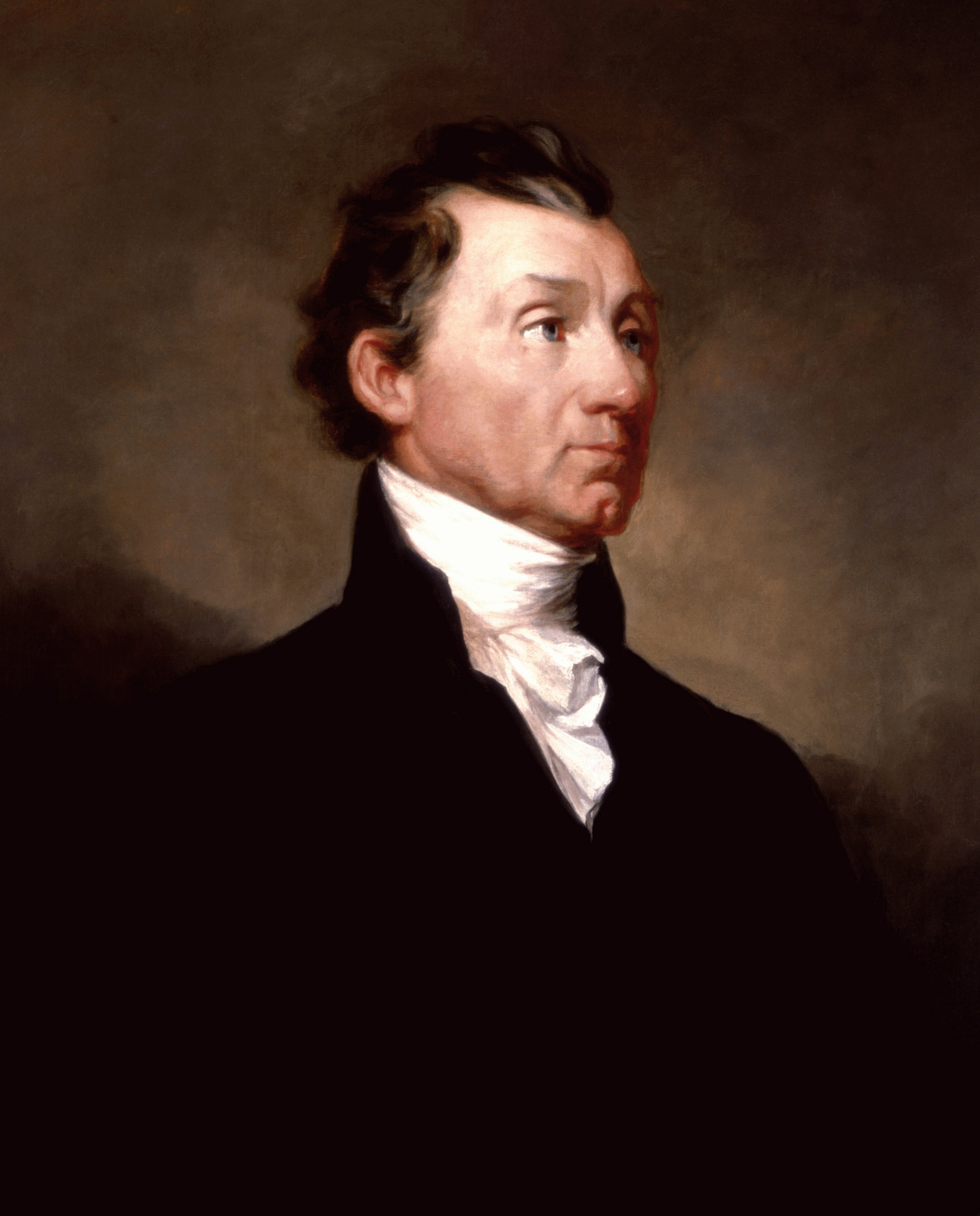 Monroe, James 1817–1825
Fifth U.S. president (1817–1825); his Monroe Doctrine reframed U.S. foreign policy and his administration is associated with the 'Era of Good Feelings.'
Texas figures
-
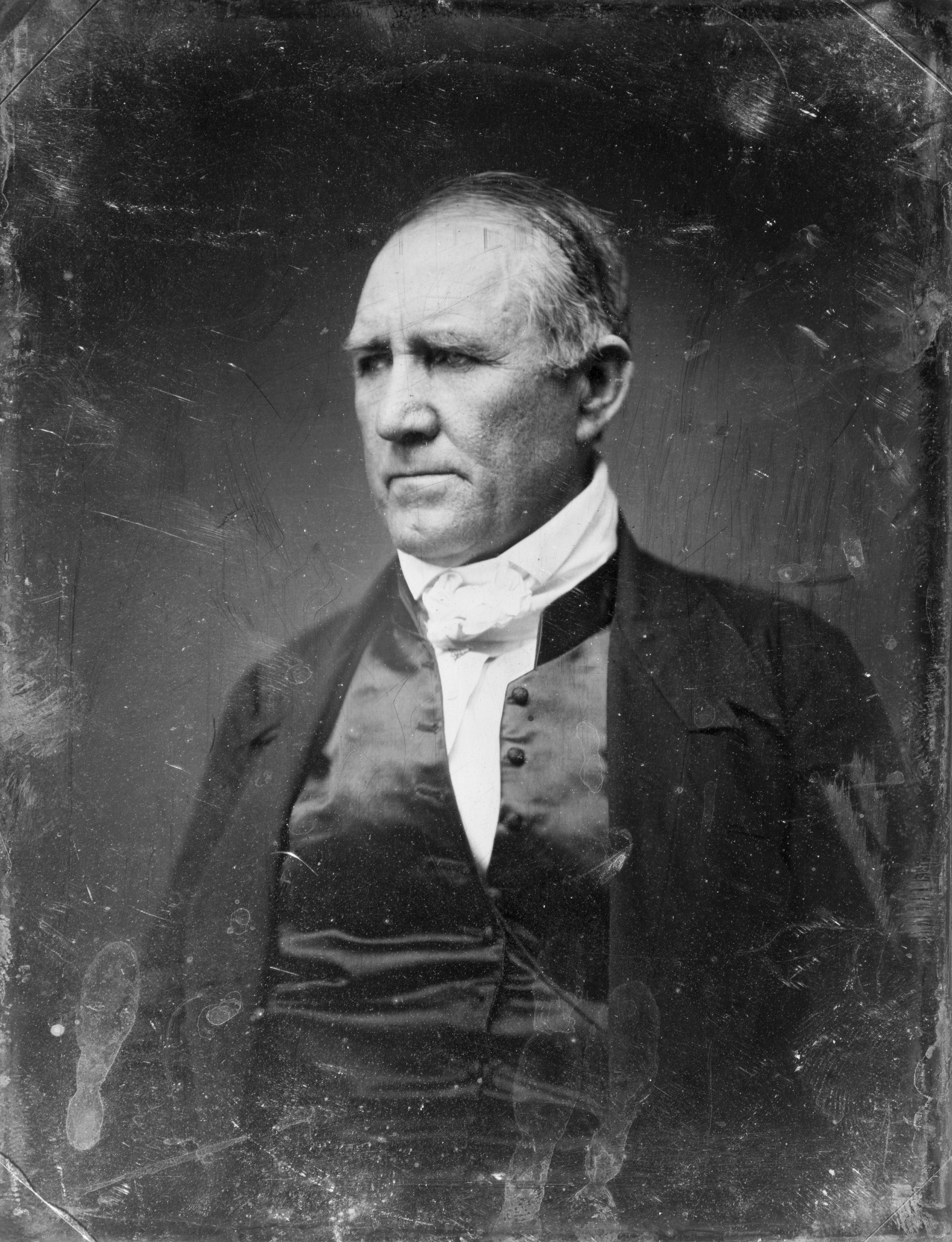 Houston, Sam 1793–1863
Texas Revolution general and first president of the Republic of Texas; later governor and U.S. senator (1793–1863), removed as governor for opposing secession.
-
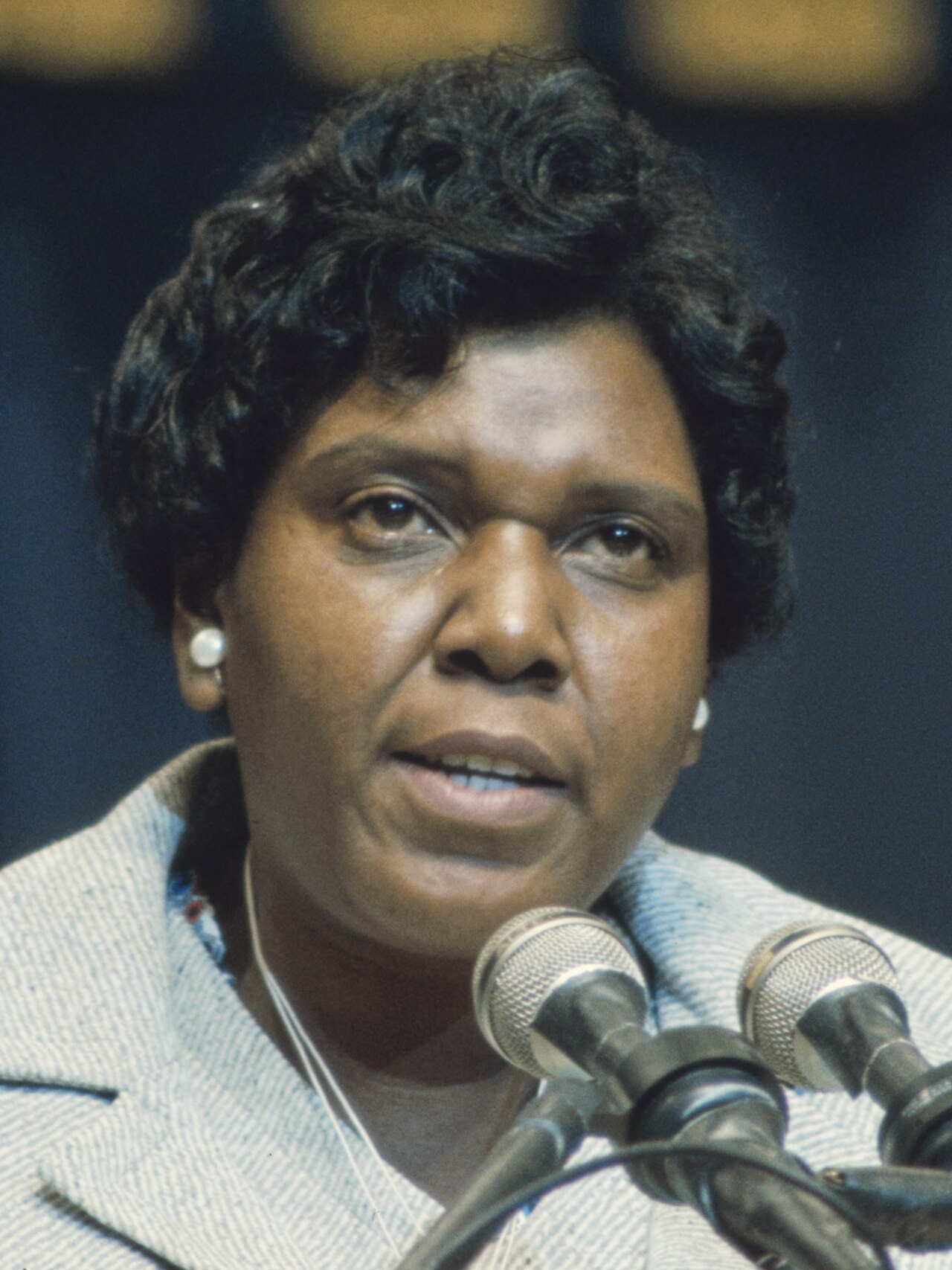 Jordan, Barbara 1936–1996
Texas congresswoman and constitutional-rule-of-law moralist (1936–1996); first Southern Black woman elected to the U.S. House, famed for her Watergate hearings address.
Later presidents
-
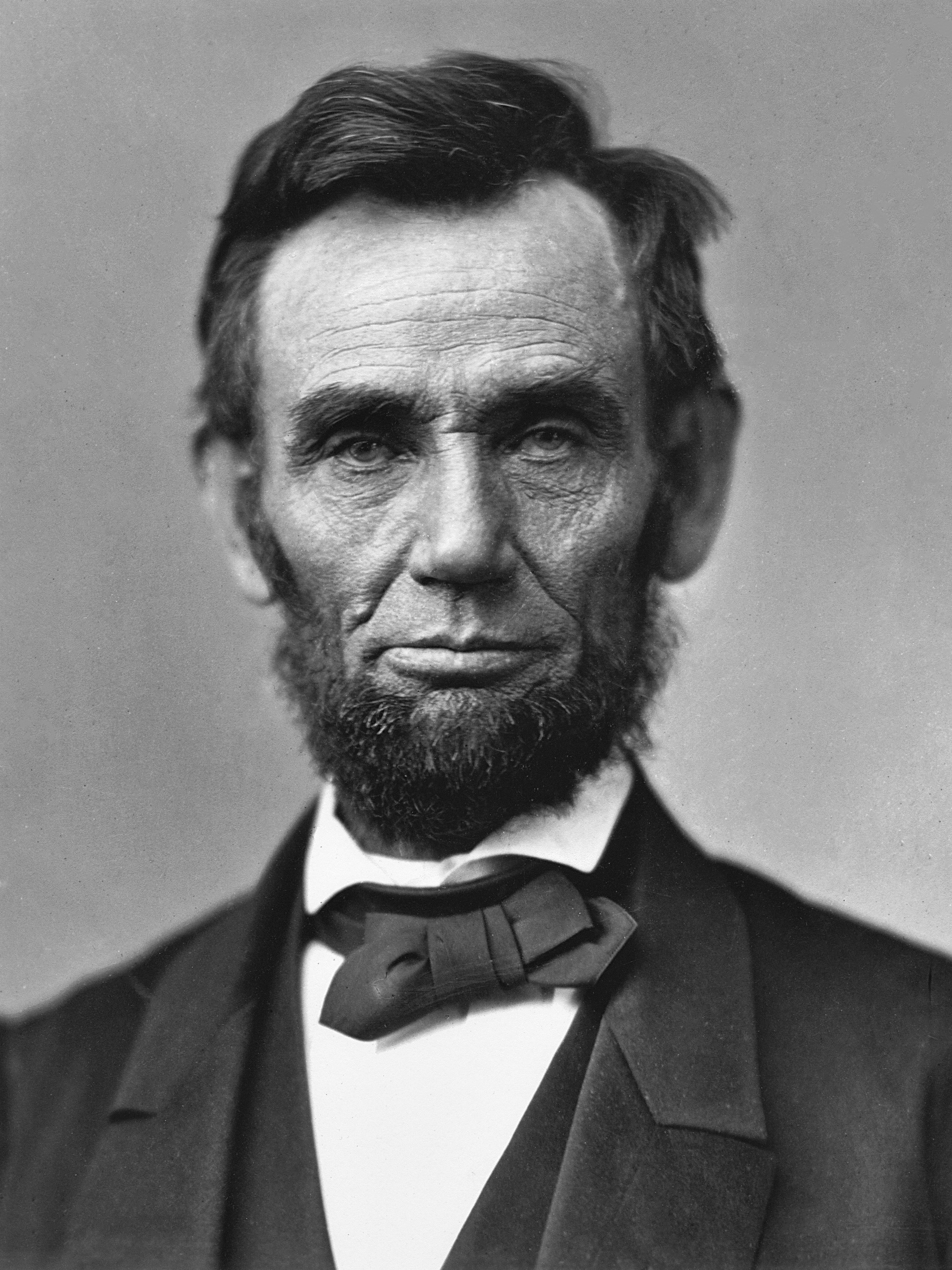 Lincoln, Abraham 1861–1865
16th U.S. president (1861–1865); led the Union through the Civil War, issued the Emancipation Proclamation, and signed the 13th Amendment ending slavery.
-
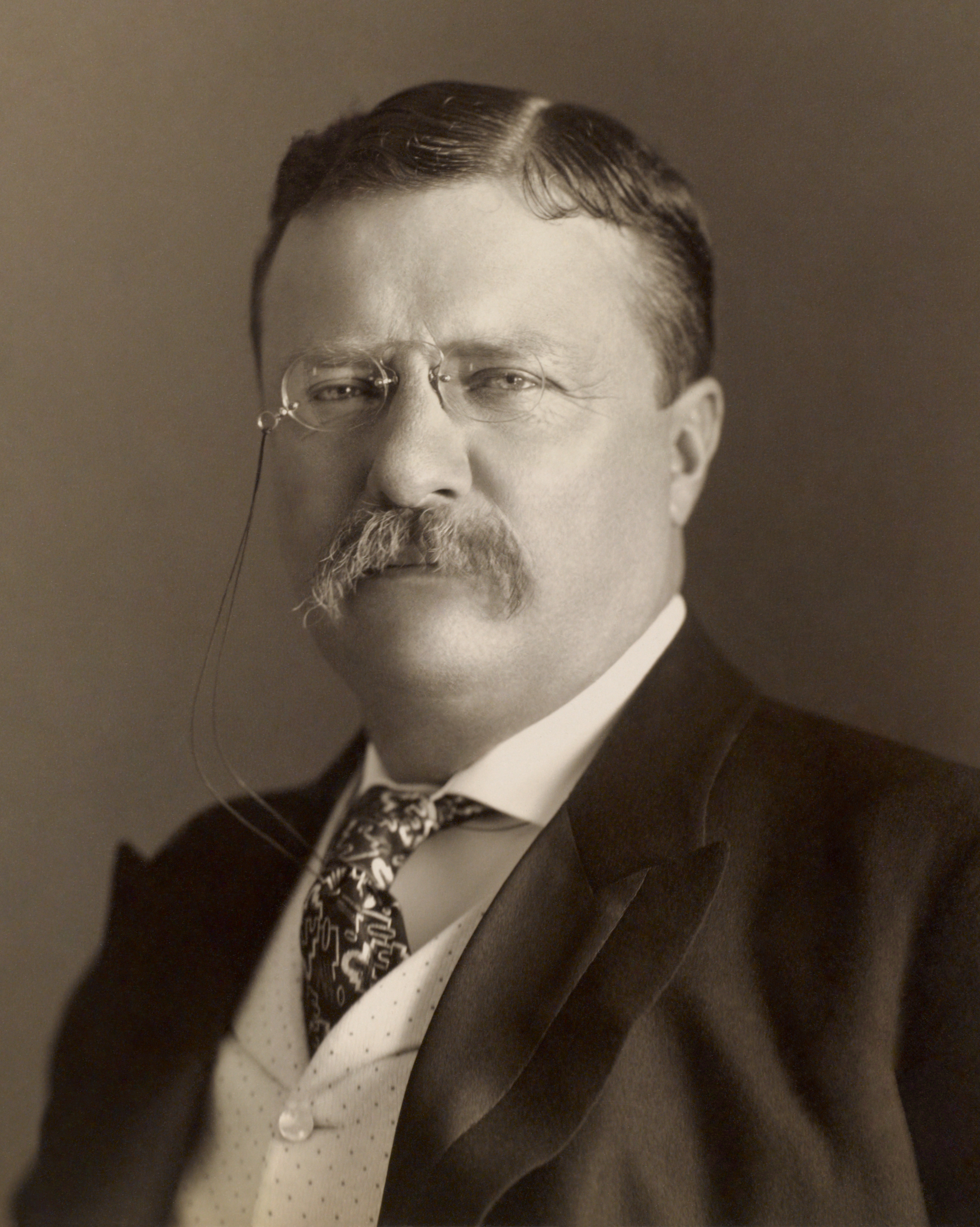 Roosevelt, Theodore 1901–1909
26th U.S. president (1901–1909); a progressive Republican who built the trust-busting tradition, expanded national parks, and reshaped the executive branch.
-
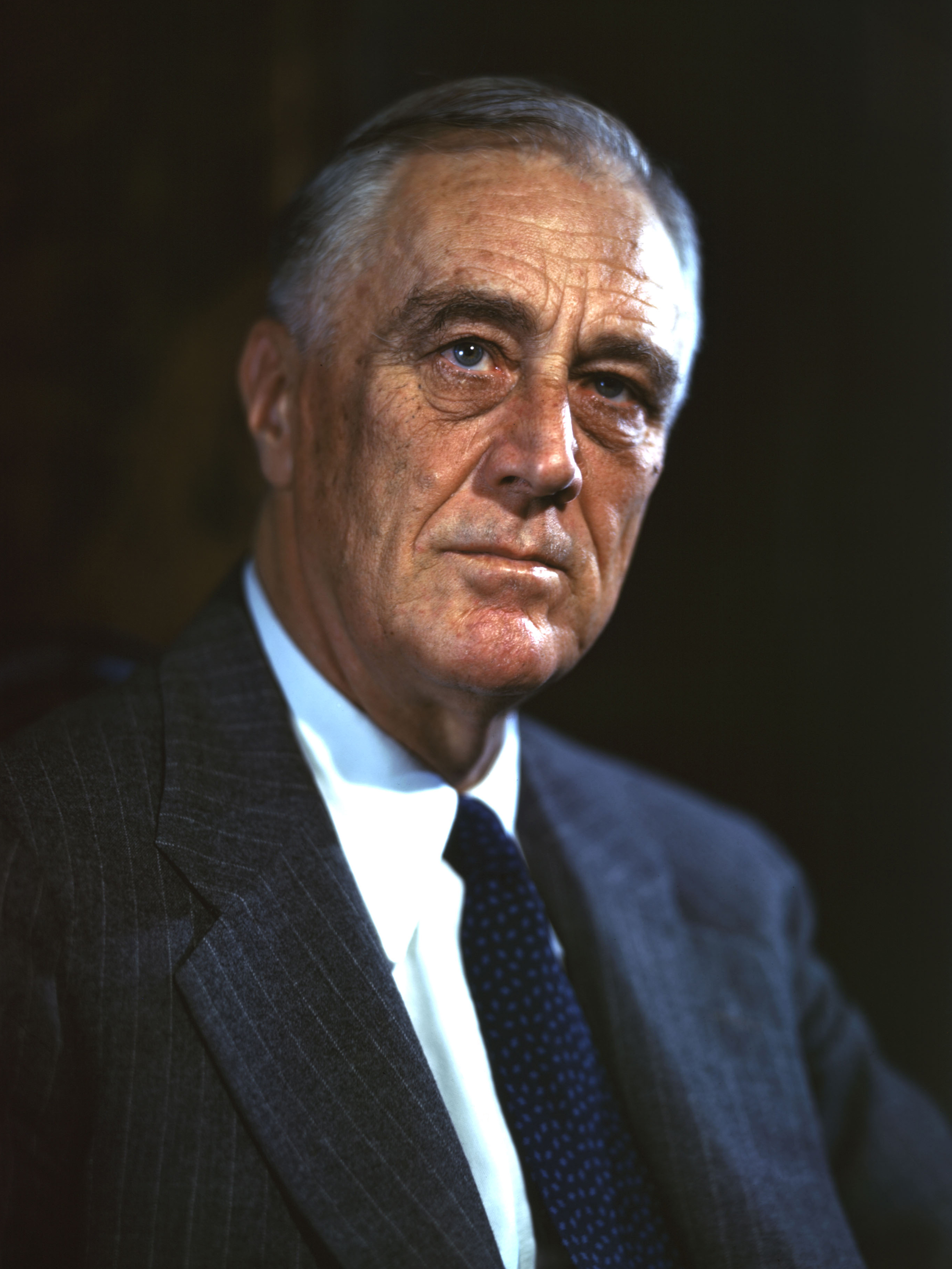 Roosevelt, Franklin D. 1933–1945
32nd U.S. president (1933–1945); architect of the New Deal social-insurance state and Allied wartime leadership through World War II.
-
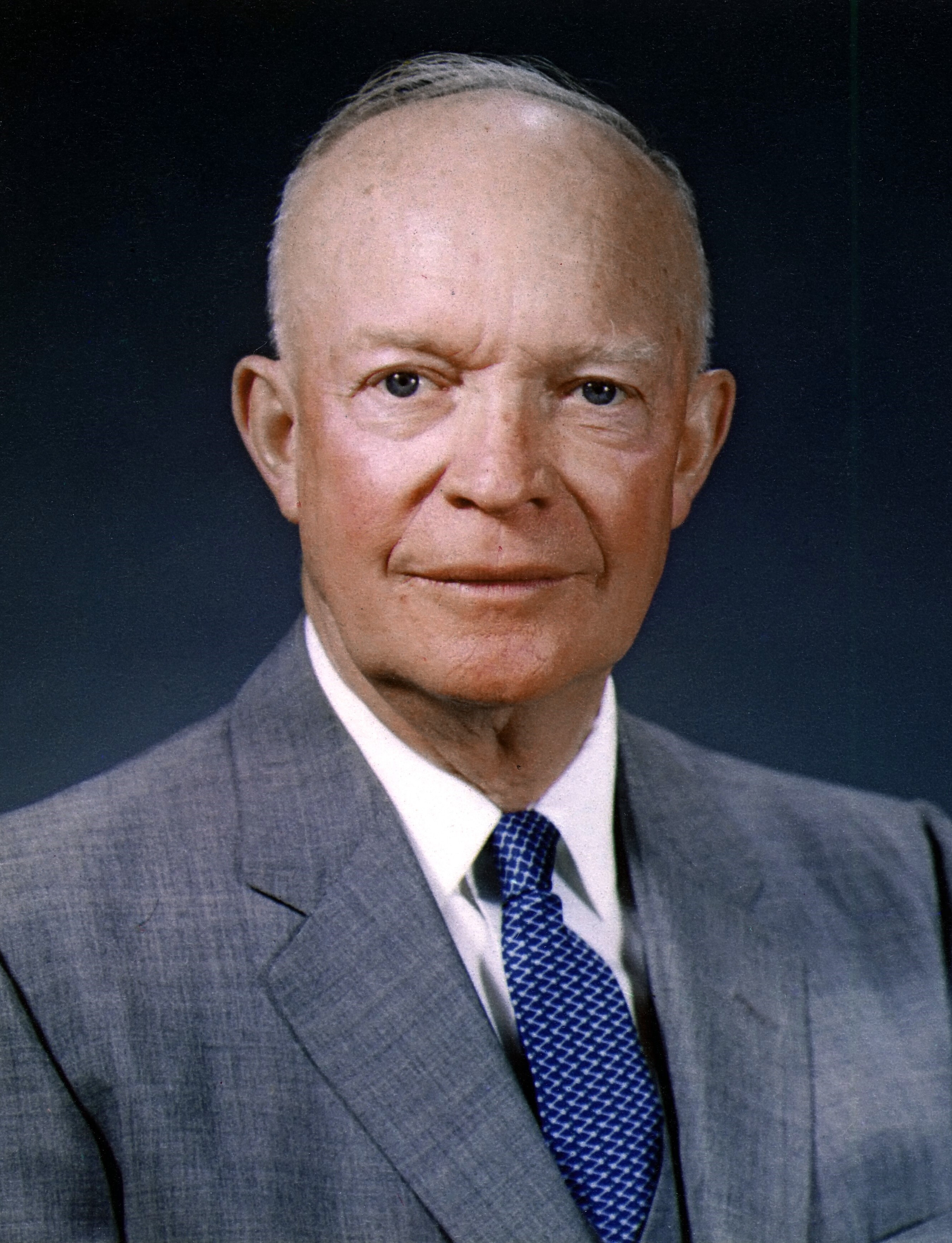 Eisenhower, Dwight 1953–1961
34th U.S. president (1953–1961); Allied Supreme Commander in WWII, then a Republican president who built the interstate highway system and warned of the military-industrial complex.
-
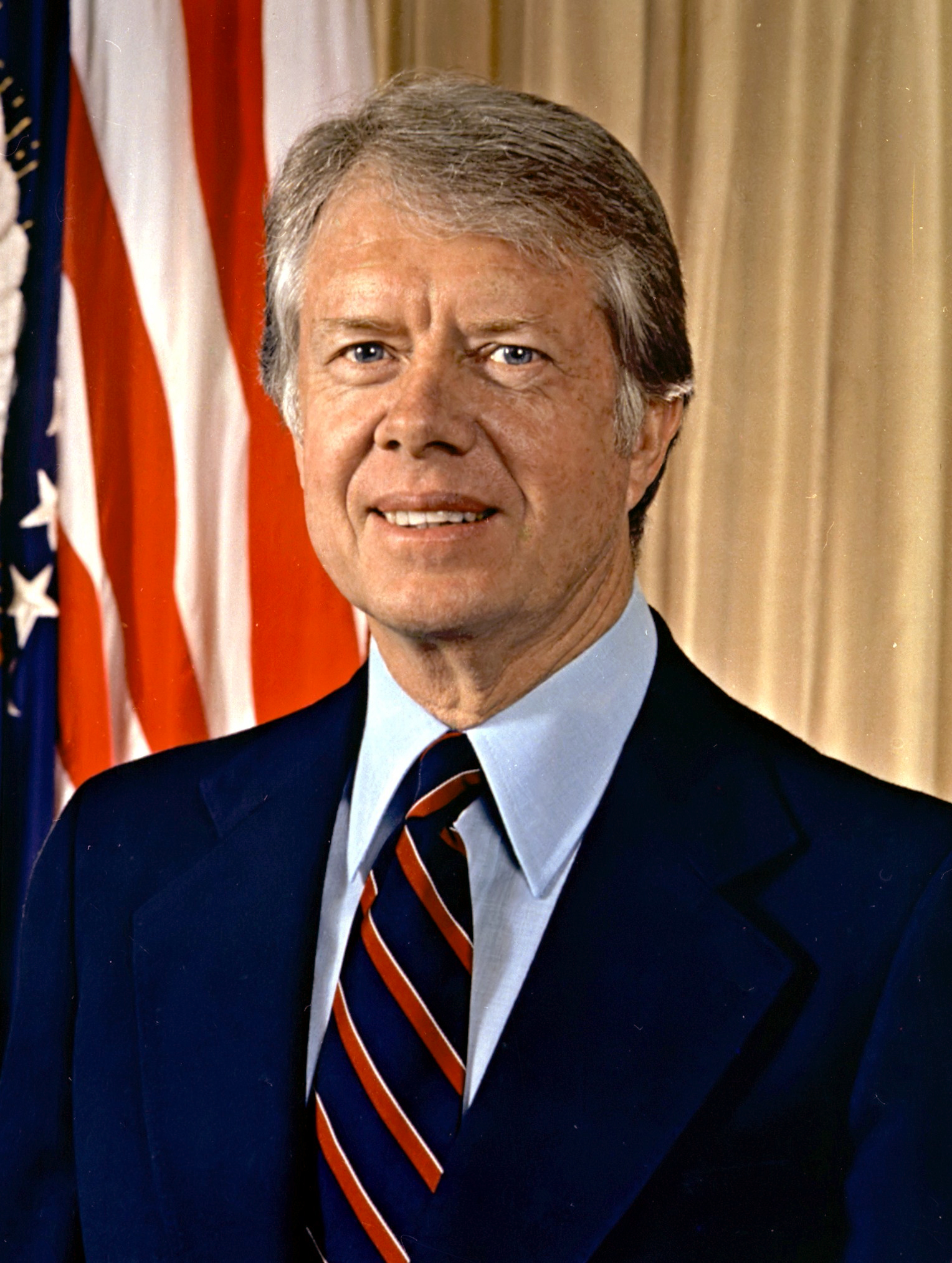 Carter, Jimmy 1977–1981
39th U.S. president (1977–1981); after one term founded the Carter Center, becoming a global advocate for human rights, election monitoring, and public-health work.
-
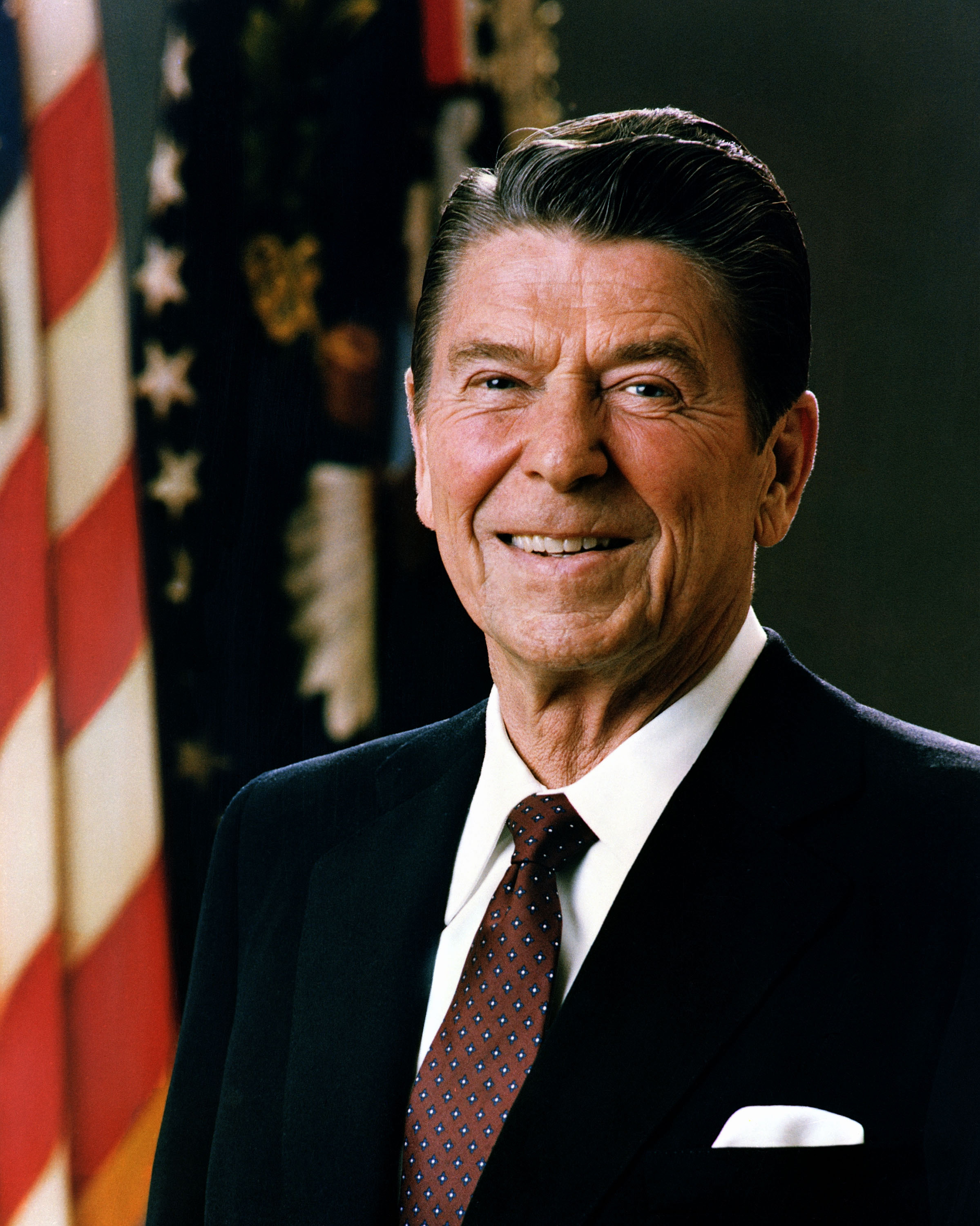 Reagan, Ronald 1981–1989
40th U.S. president (1981–1989); architect of modern movement conservatism, supply-side tax policy, deregulation, and Cold War confrontation with the Soviet Union.
Other politicians & military leaders
-
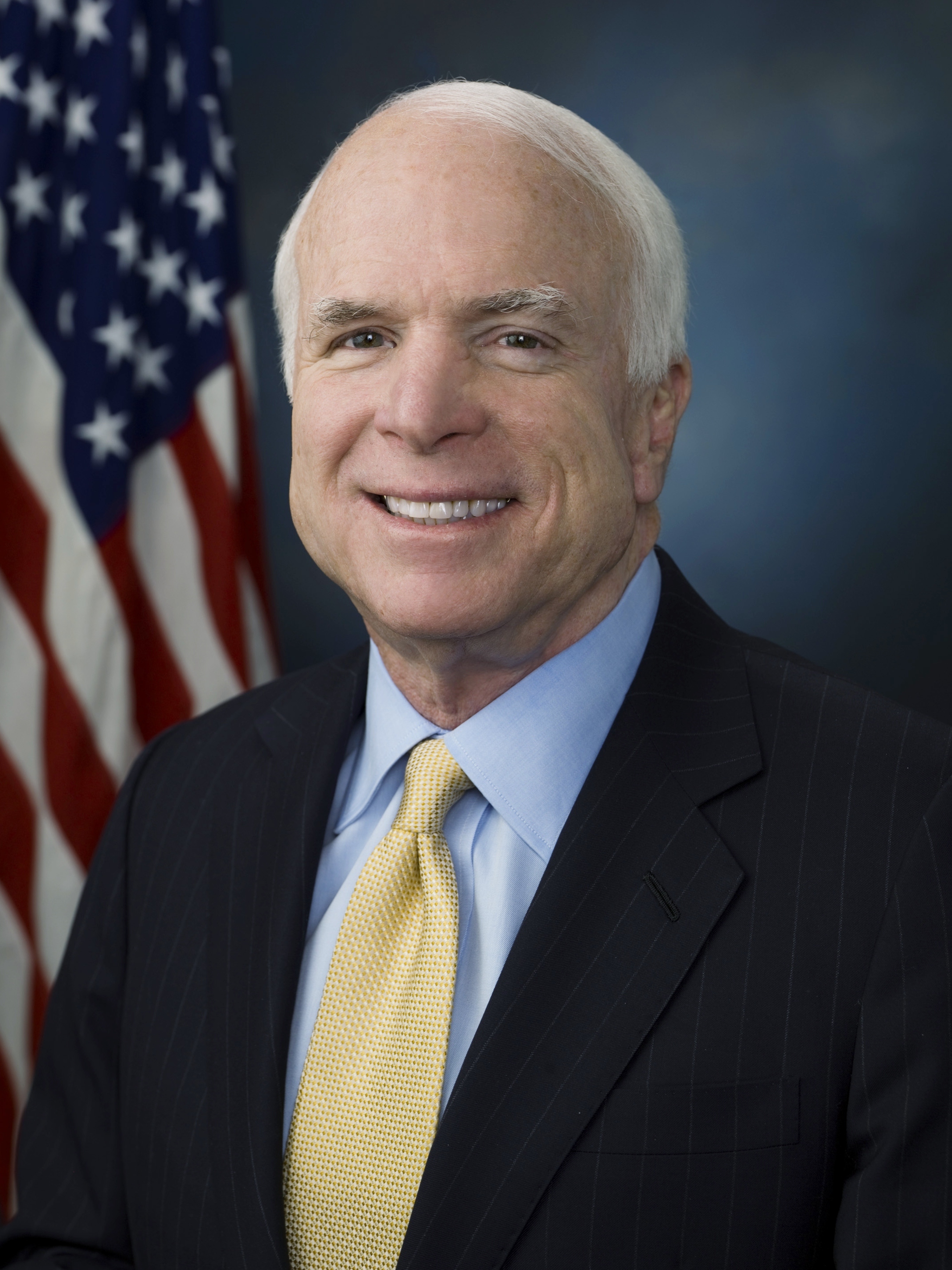 McCain, John 1936–2018
Republican U.S. senator from Arizona (1936–2018), Vietnam War POW, 2008 presidential nominee, and an institutionalist who opposed torture and defended international alliances.
-
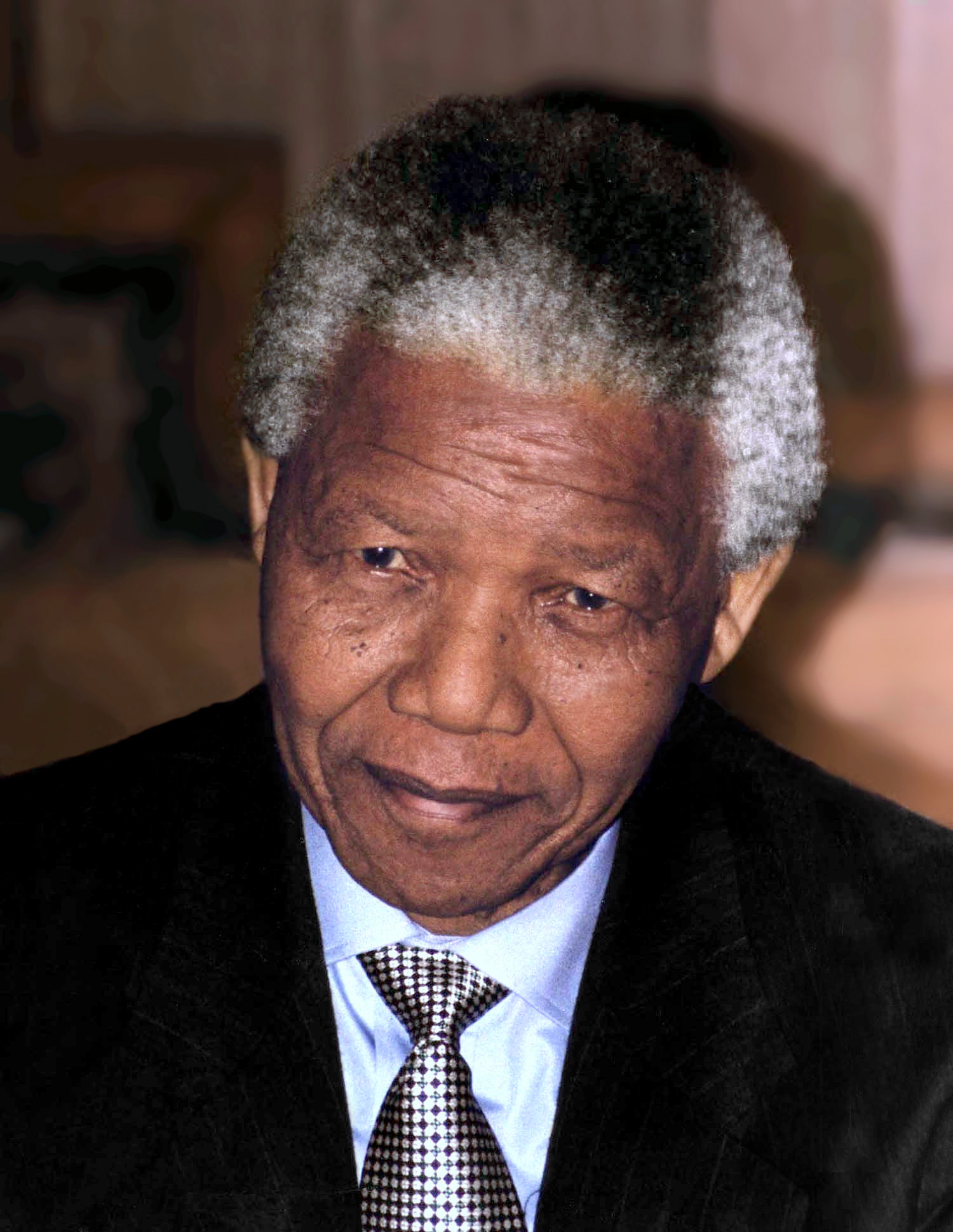 Mandela, Nelson 1918–2013
South African anti-apartheid leader and first democratically elected president of South Africa (1918–2013) after 27 years of imprisonment.
-
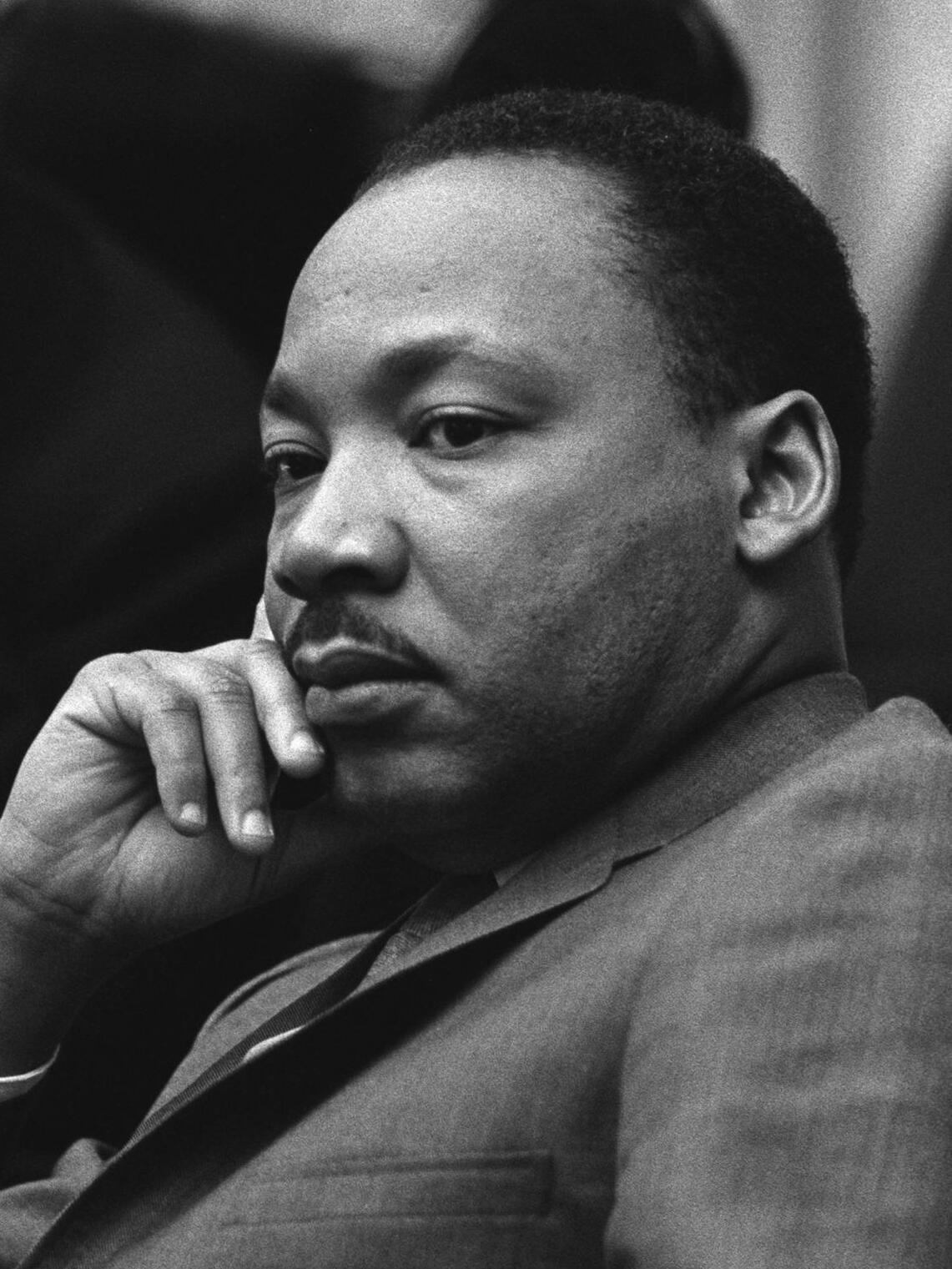 King, Martin Luther Jr. 1929–1968
American Baptist minister and civil-rights leader (1929–1968); led the Montgomery bus boycott and the 1963 March on Washington; Nobel Peace Prize 1964.
-
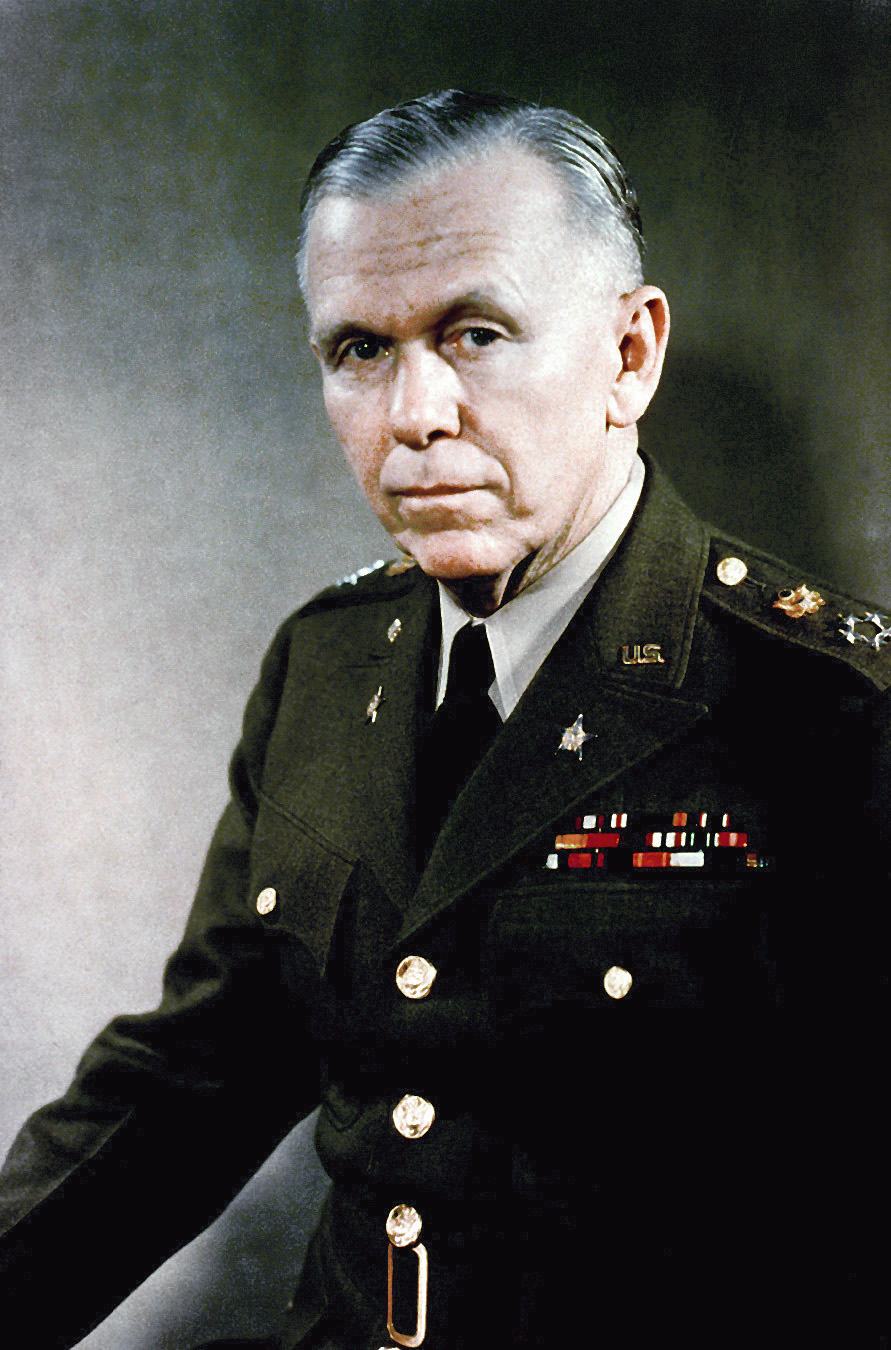 Marshall, George C. 1880–1959
U.S. Army Chief of Staff in WWII, then Secretary of State and Defense (1880–1959); author of the Marshall Plan that rebuilt postwar Europe.
-
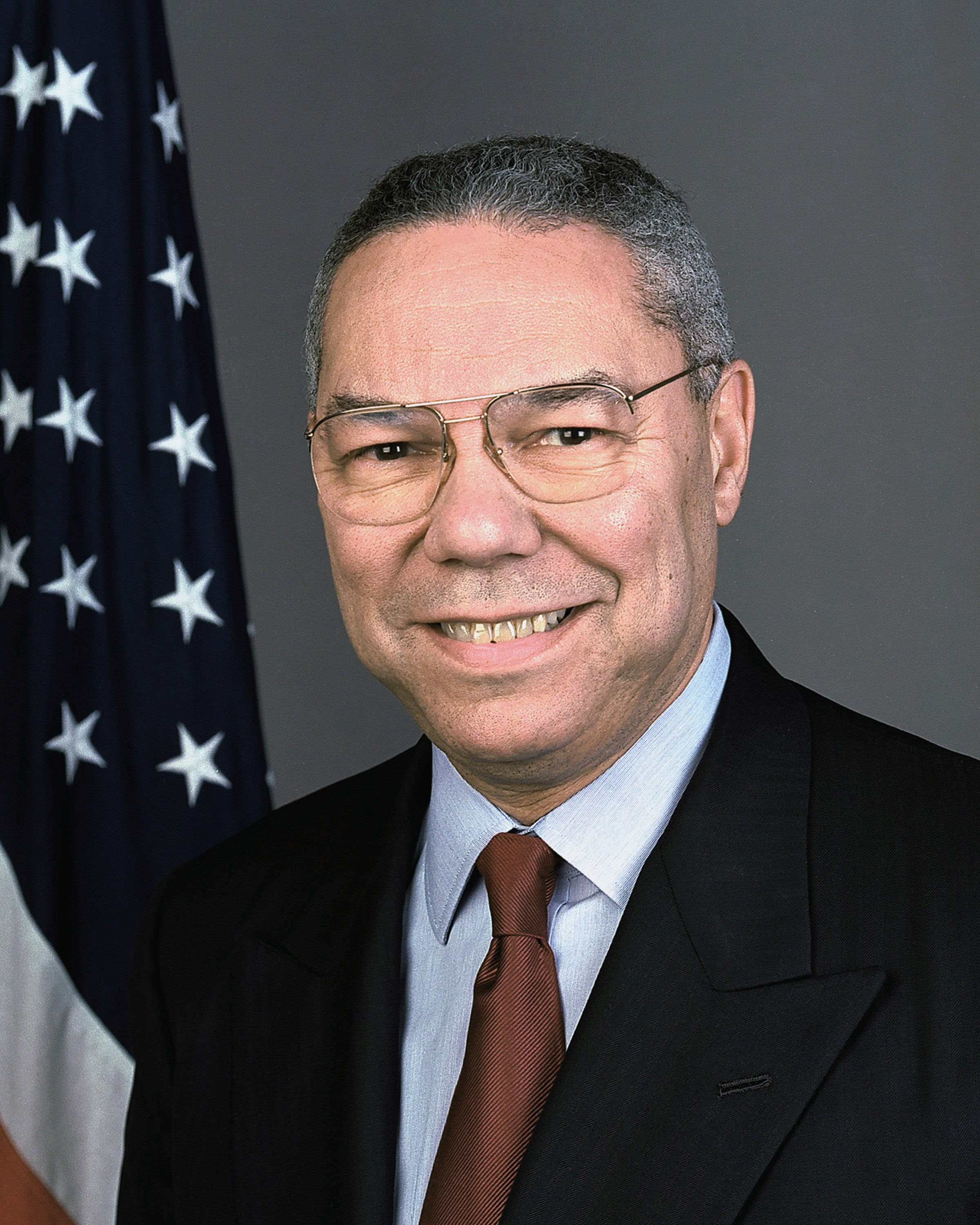 Powell, Colin 1937–2021
Four-star general, National Security Adviser, Chairman of the Joint Chiefs, and Secretary of State (1937–2021); first Black Secretary of State, advocate of the Powell Doctrine.
Jurists
-
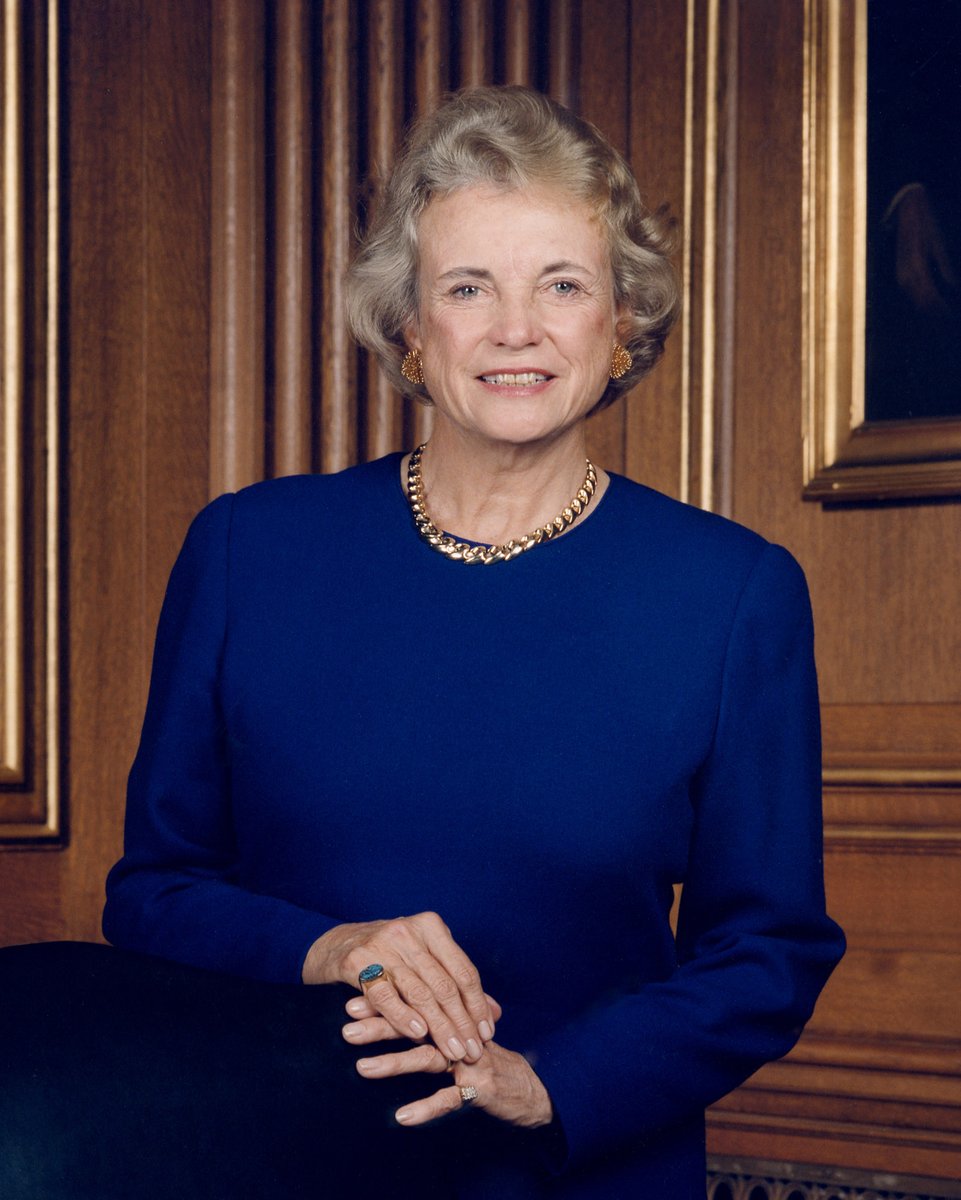 O'Connor, Sandra Day 1930–2023
First woman on the U.S. Supreme Court (1981–2006); a centrist Reagan appointee from Arizona who often cast the deciding vote on abortion, affirmative action, and federalism cases.
-
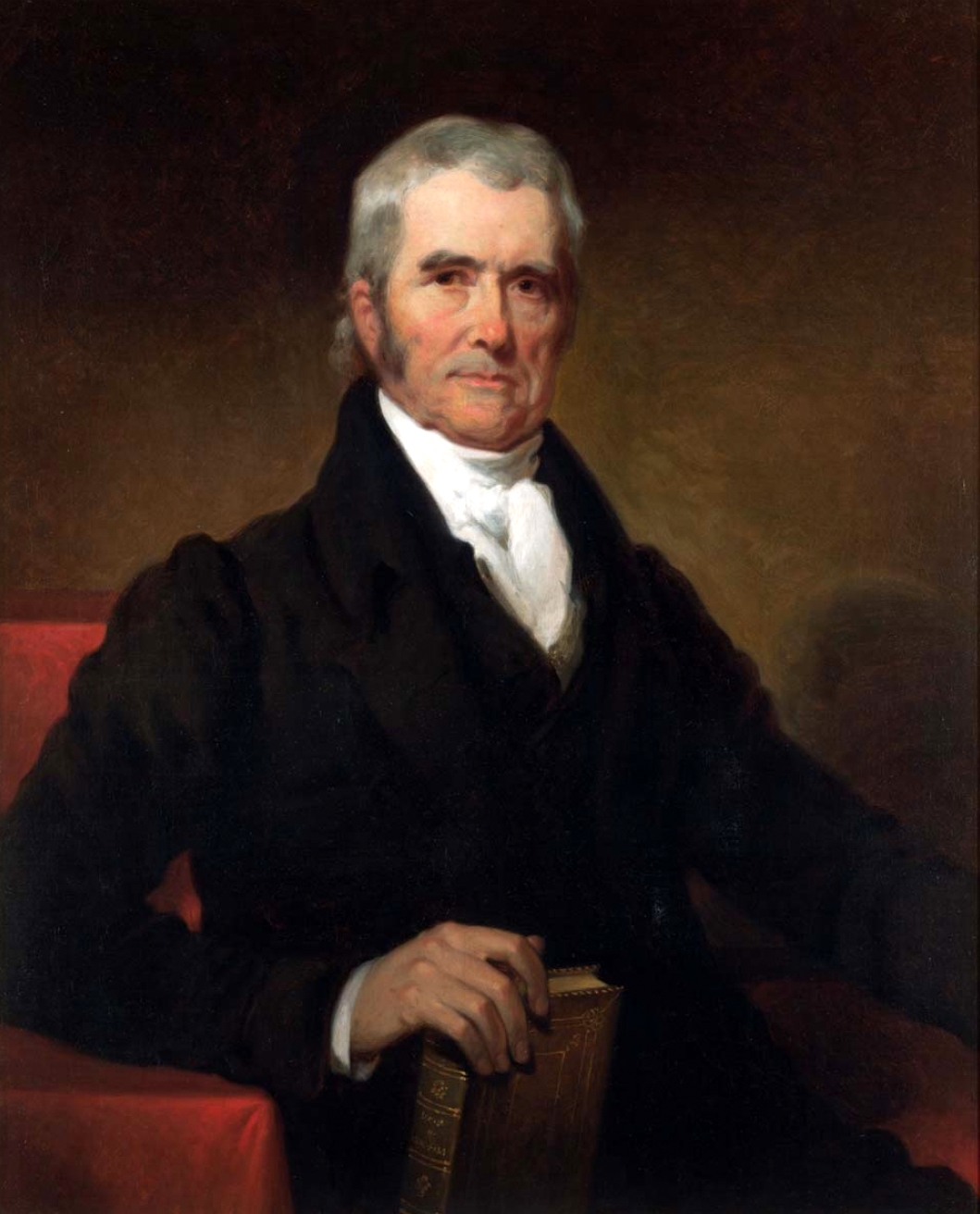 Marshall Court tradition federal institutionalism, 1801–1835
The constitutional approach associated with Chief Justice John Marshall (1801–1835): a strong federal judiciary, robust commerce clause, and judicial review (Marbury v. Madison).
-
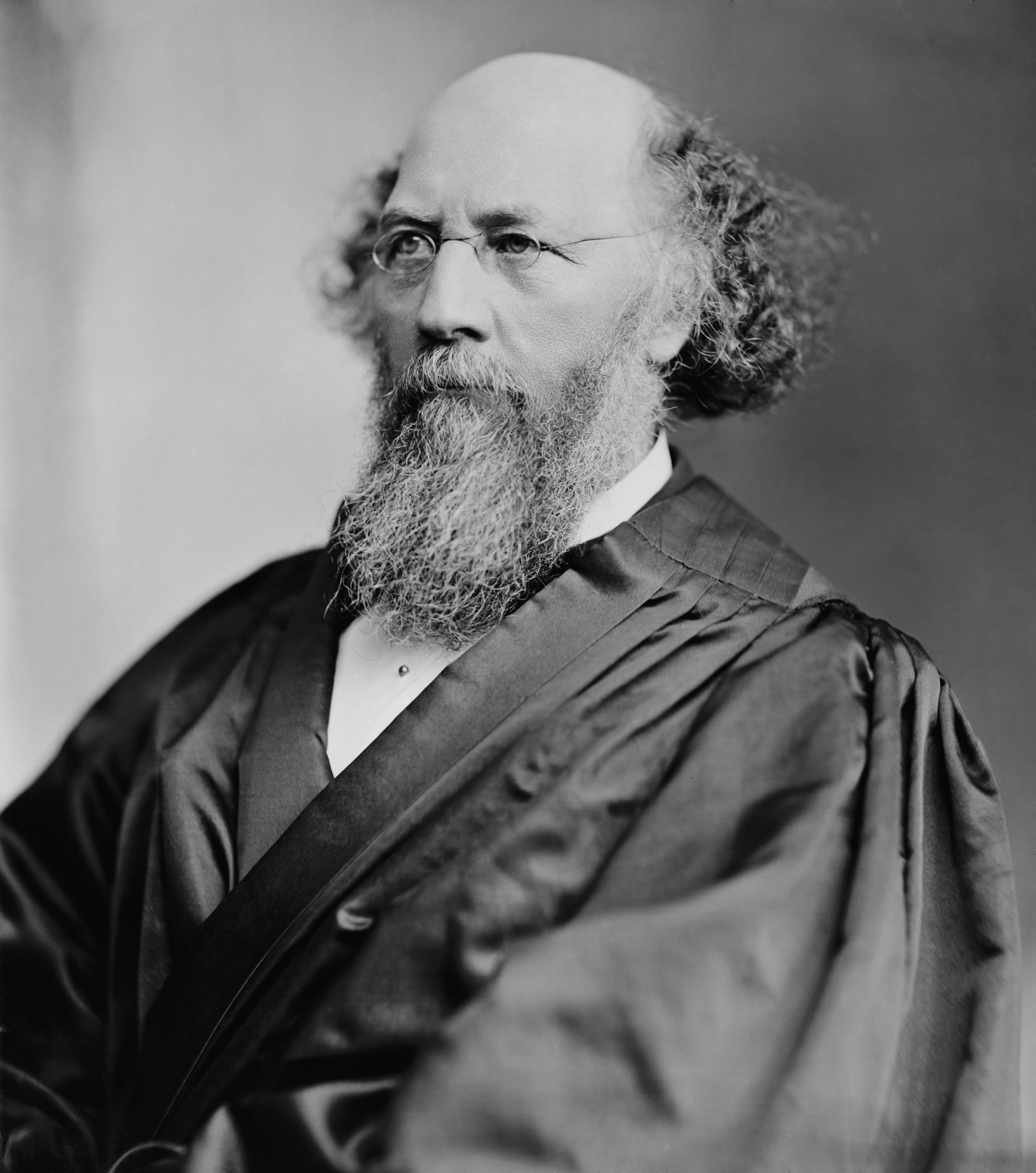 Lochner / classical-liberal tradition economic substantive due process, 1897–1937
The Lochner-era doctrine (1897–1937) reading the Fourteenth Amendment to protect economic 'liberty of contract' against state labor regulation; named for Lochner v. New York (1905).
-
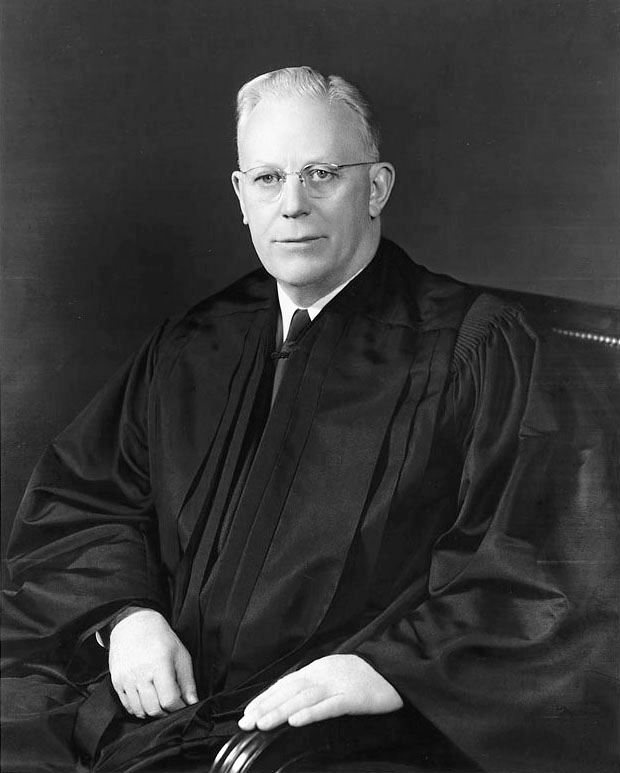 Warren Court tradition rights-protective constitutionalism, 1953–1969
The rights-protective constitutional approach of the Earl Warren Supreme Court (1953–1969); landmark decisions on desegregation, criminal procedure, and one-person-one-vote.
-
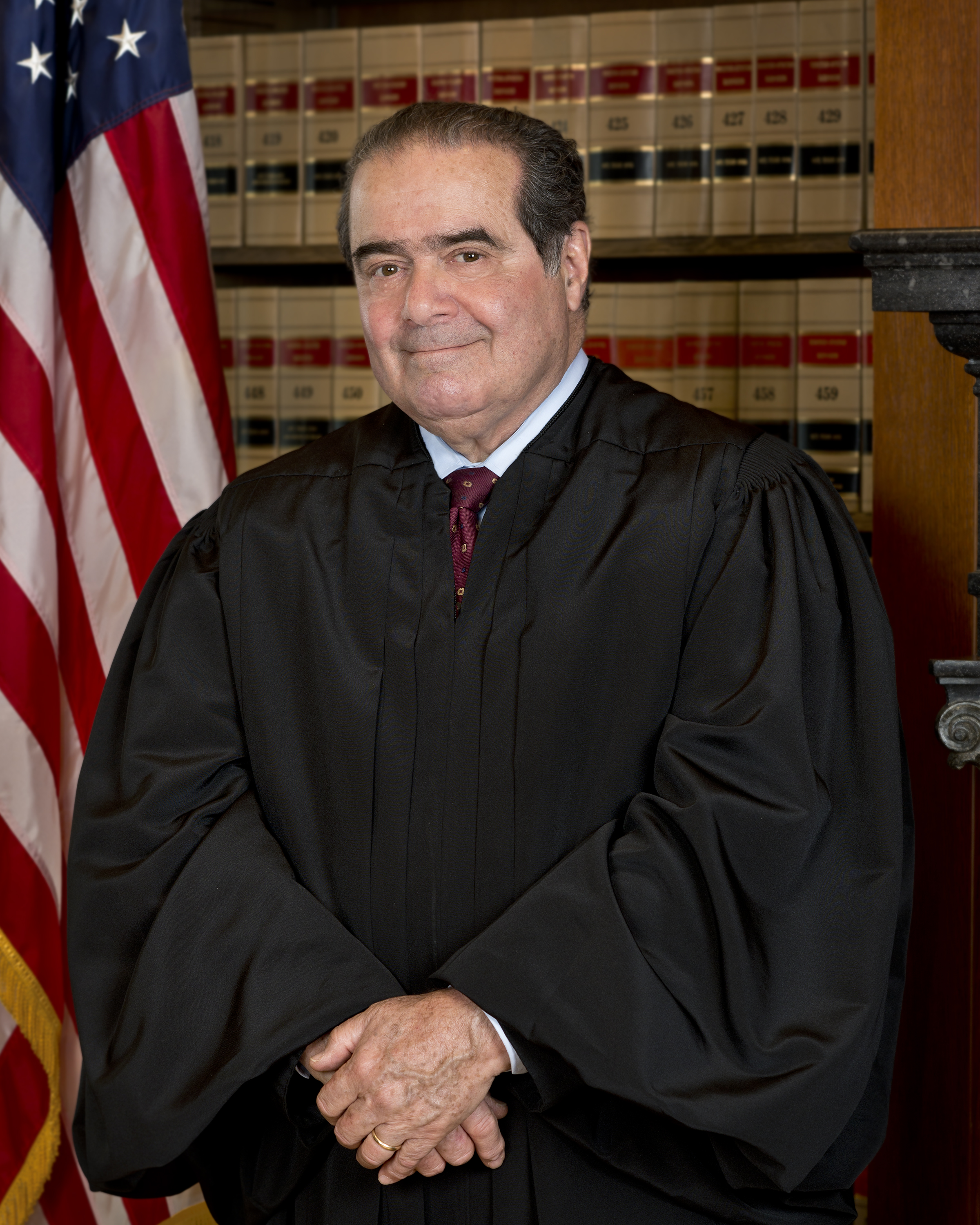 Originalism (Scalia/Gorsuch strand) textualism & original public meaning, 1986–present
The interpretive theory that constitutional text should be read according to its original public meaning; associated with Justices Scalia and Gorsuch and the Federalist Society.
-
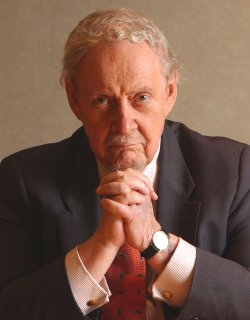 Borkian judicial restraint defer-to-democratic-majorities, 1971–present
Judicial-restraint conservatism associated with Robert Bork (1971–present): deference to democratically enacted laws and skepticism of unenumerated rights.
Contemporary leaders
-
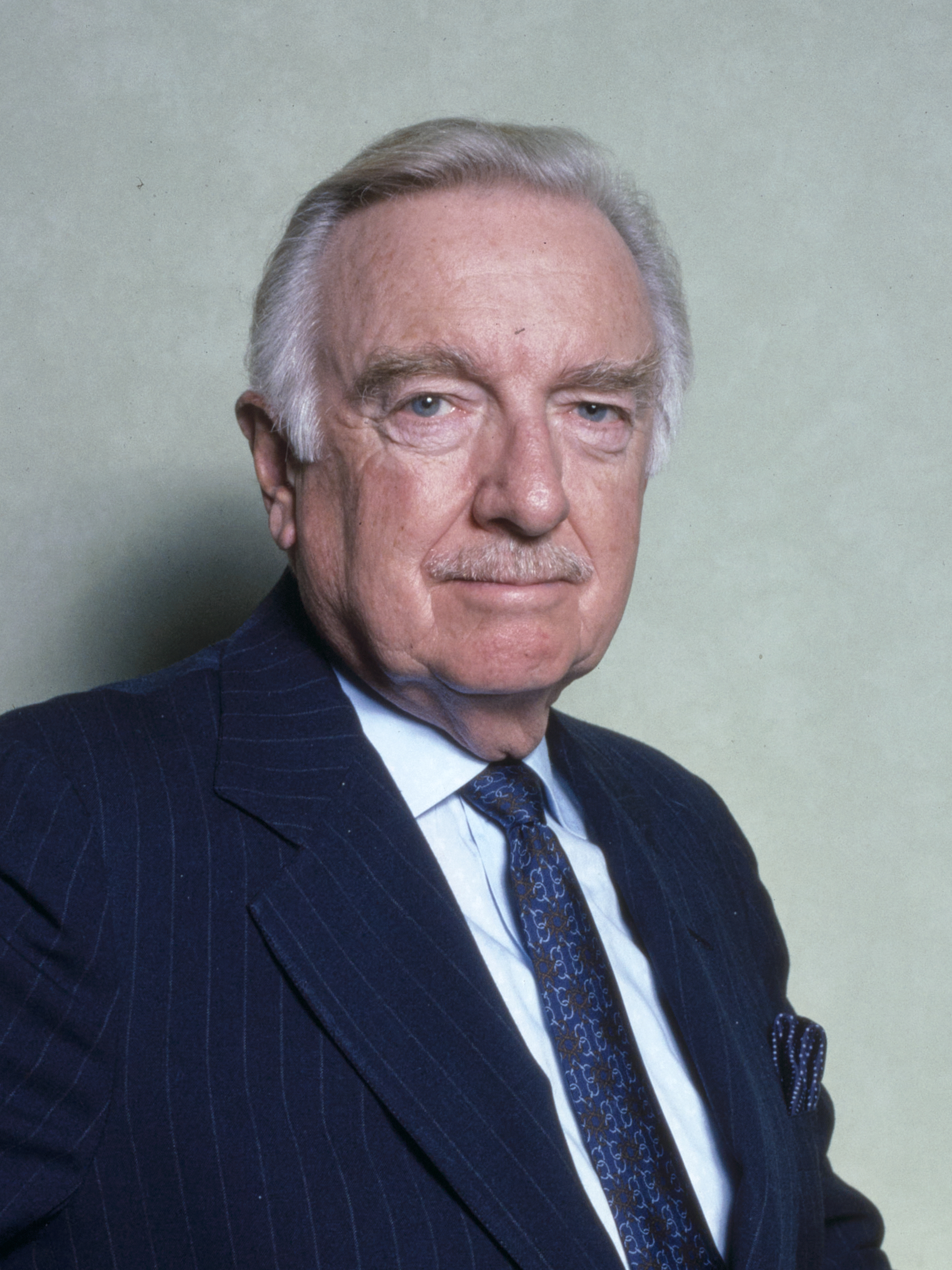 Cronkite, Walter 1916–2009
Anchor of the CBS Evening News (1916–2009); for two decades 'the most trusted man in America,' embodying institutional broadcast-journalism norms.
-
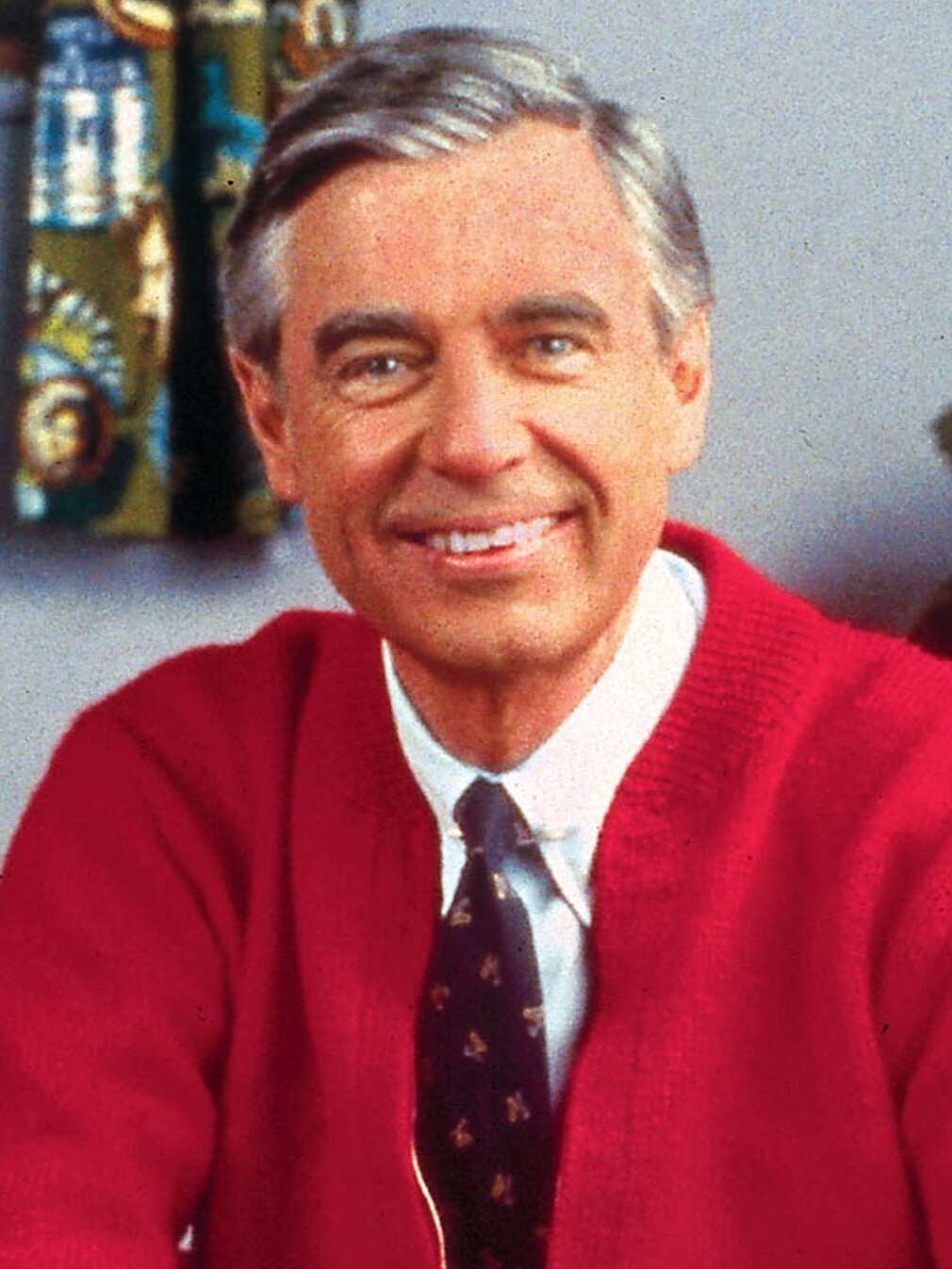 Rogers, Mr. (Fred) 1928–2003
Fred Rogers (1928–2003), Presbyterian minister and host of Mister Rogers' Neighborhood; a public-television advocate of kindness, child development, and emotional literacy.
-
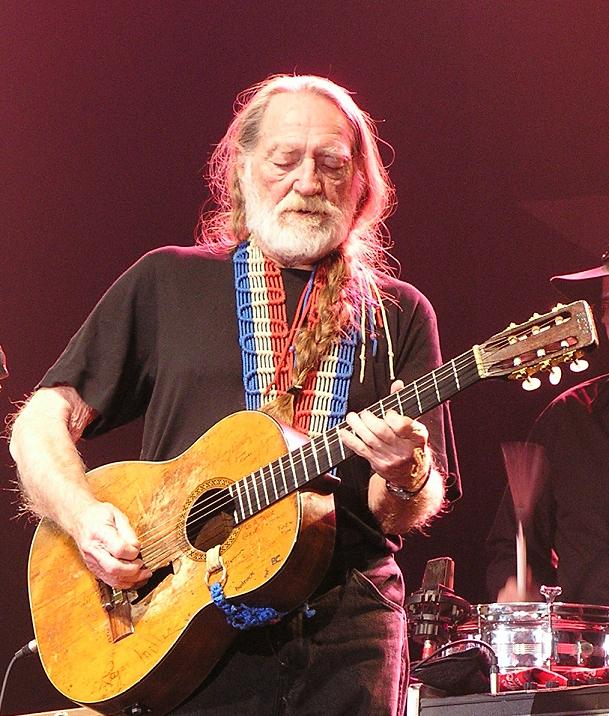 Nelson, Willie 1933–
American country-music singer-songwriter (b. 1933); outlaw-country pioneer, Farm Aid co-founder, and longtime cultural icon of Texas.
Public intellectuals
-
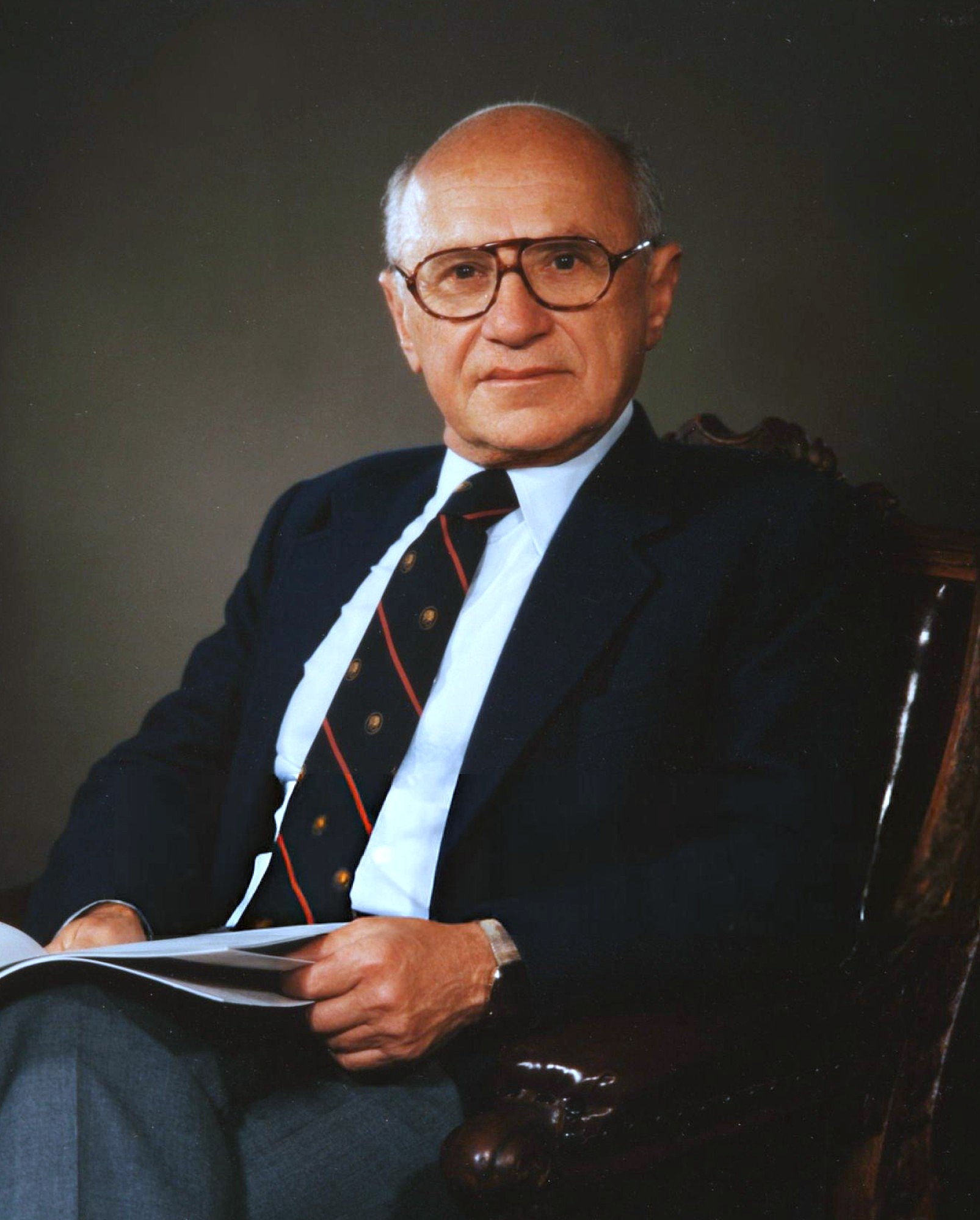 Friedman, Milton 1912–2006
Chicago-school economist (1912–2006); Nobel laureate, champion of monetarism, free markets, and limited government in works like Capitalism and Freedom.
-
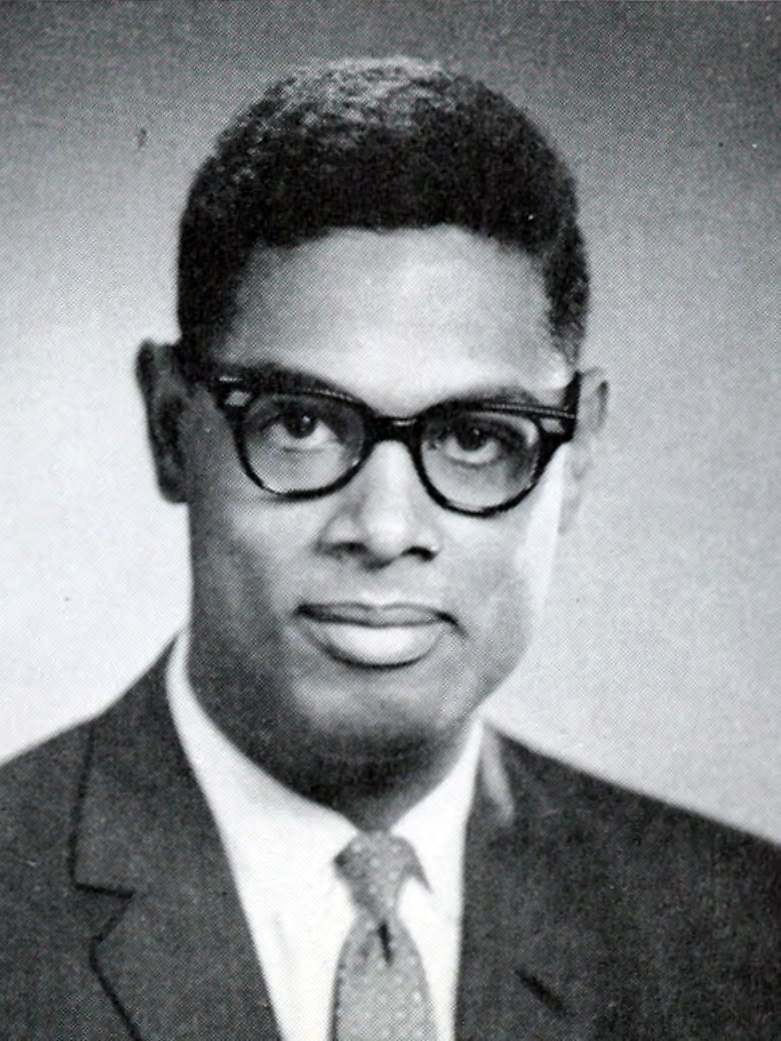 Sowell, Thomas 1930–
American economist and Hoover Institution senior fellow (b. 1930); a leading voice of market-oriented conservatism, especially on race, education, and inequality.
-
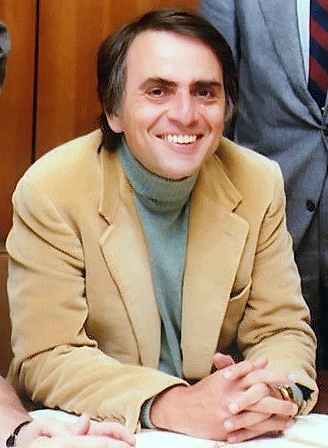 Sagan, Carl 1934–1996
Astronomer and science communicator (1934–1996); author of Cosmos, advocate for SETI and scientific literacy, and a sharp skeptic of nuclear and environmental policy failures.
Business leaders
-
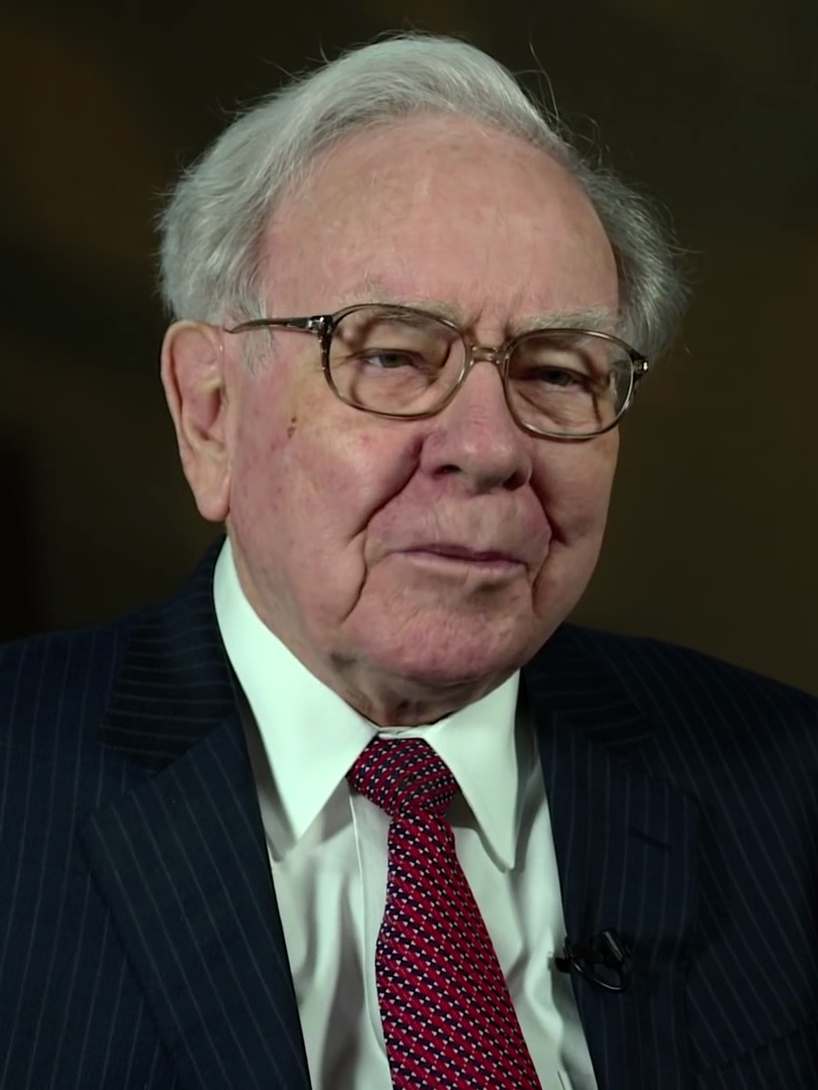 Buffett, Warren 1930–
Chairman of Berkshire Hathaway (b. 1930); value-investing icon and pledged philanthropist who has long favored higher taxes on the wealthy.
-
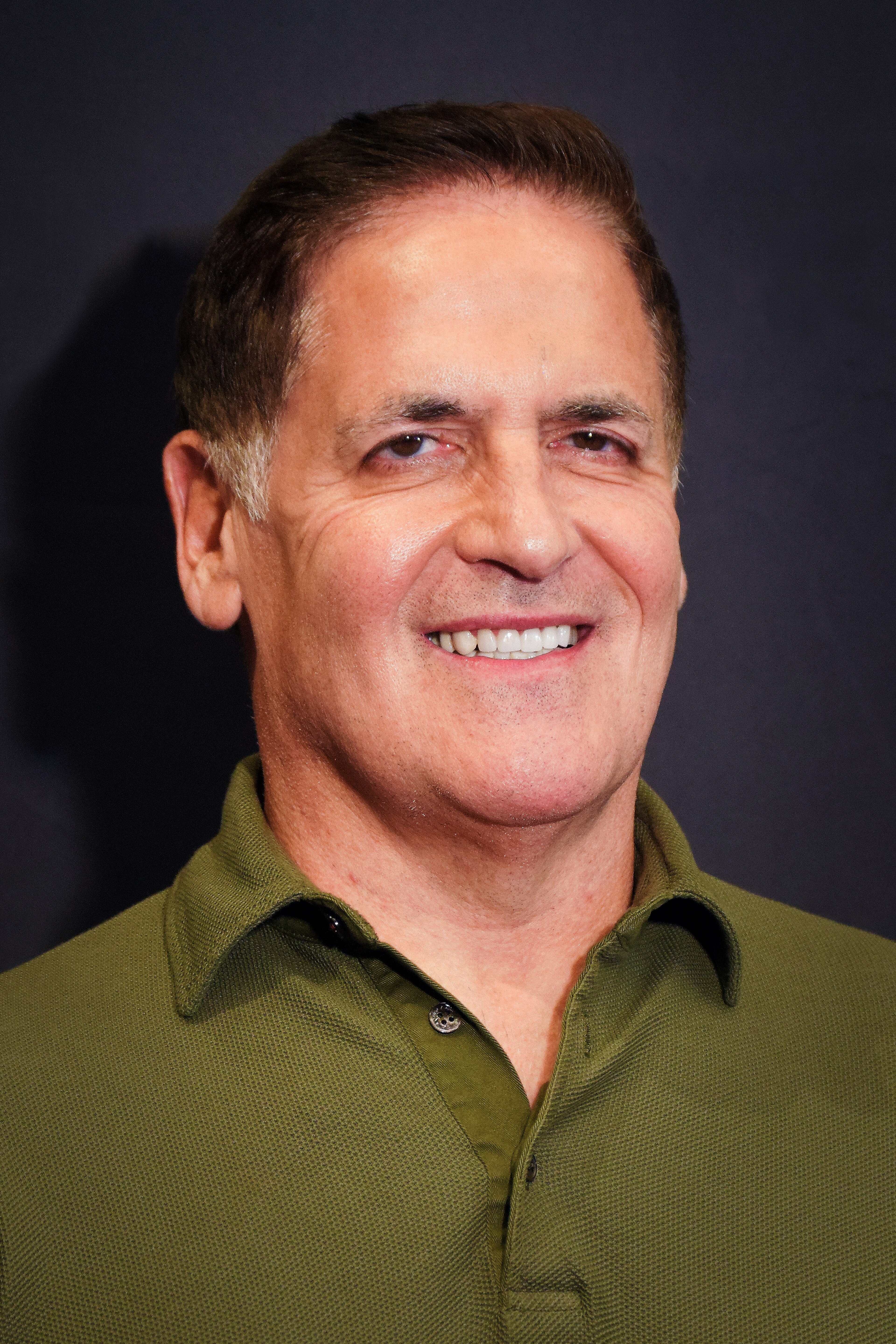 Cuban, Mark 1958–
Entrepreneur and former majority owner of the Dallas Mavericks (b. 1958); founder of Cost Plus Drugs and a frequent commentator on healthcare pricing and small-business policy.
-
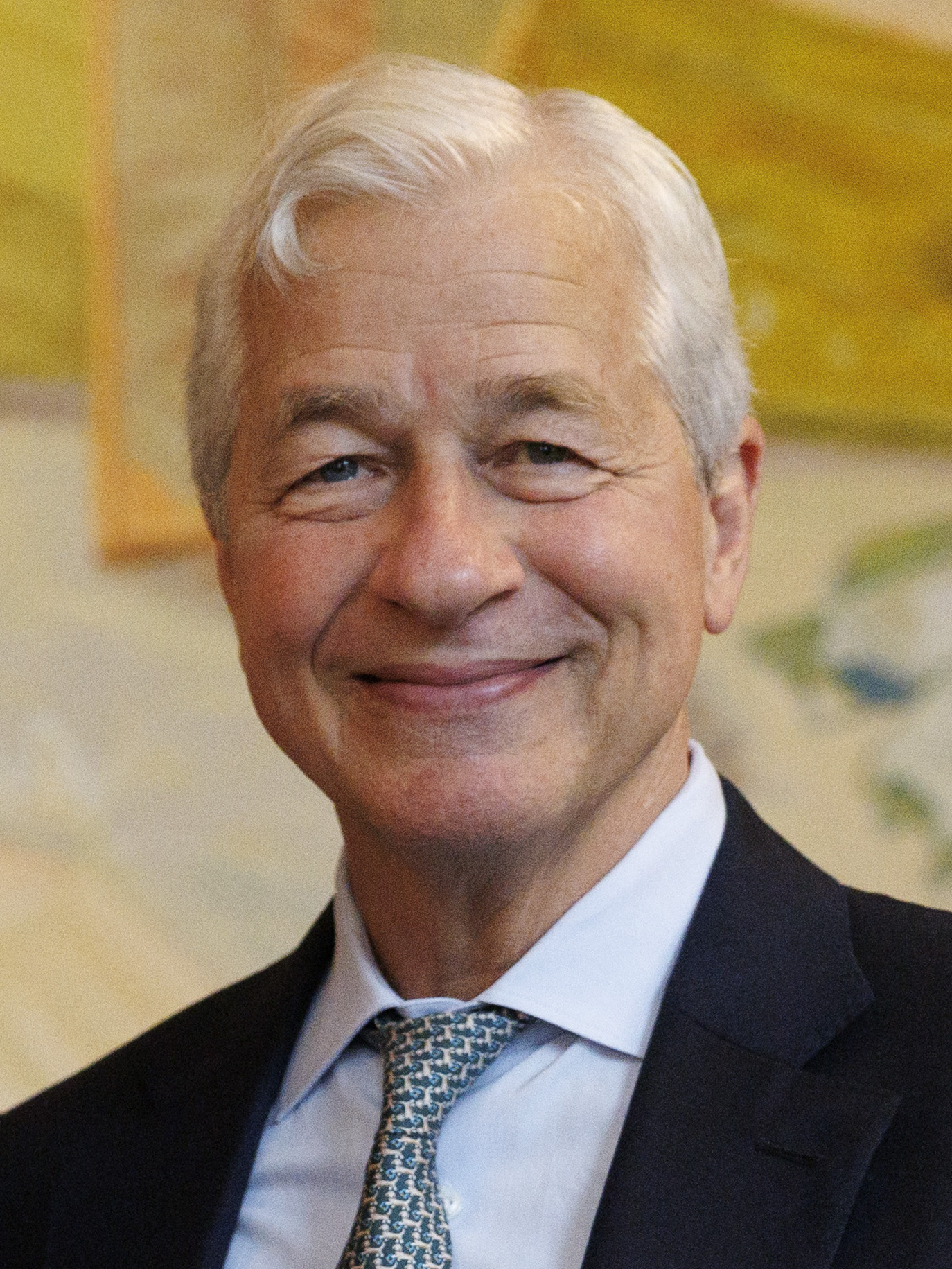 Dimon, Jamie 1956–
CEO of JPMorgan Chase since 2006 (b. 1956); a moderate banker who has advocated for skilled immigration, infrastructure investment, and fiscal restraint.
Interests by life stage
- Interests of a 6-Year-Old Child
A hypothetical scoring lens centered on the interests of a young child: schools, safety, healthcare, a livable environment, and family stability.
- Interests of an 18-Year-Old
A hypothetical scoring lens centered on a graduating high-school senior: college access, student debt, first jobs, reproductive autonomy, and climate.
- Interests of a 30-Year-Old
A hypothetical scoring lens centered on a working adult in their early career: housing affordability, childcare, healthcare costs, and wage growth.
- Interests of a 50-Year-Old
A hypothetical scoring lens centered on a mid-career worker: healthcare, retirement savings, aging parents, and economic stability.
- Interests of a 65-Year-Old
A hypothetical scoring lens centered on someone at retirement age: Social Security, Medicare, prescription-drug costs, and elder care.
Institutions & organizations
-
 AARP
AARPNonpartisan U.S. interest group for Americans 50+; advocates on Social Security, Medicare, prescription-drug pricing, and elder care.
-
 ACLU
ACLUAmerican Civil Liberties Union, founded 1920; civil-liberties absolutist defending free speech, due process, immigrant rights, and reproductive freedom.
-
 AFL-CIO
Federation of U.S. trade unions formed by the 1955 AFL–CIO merger; the country's largest labor coalition, representing roughly 60 affiliated unions.
-
 Cato Institute
Libertarian think tank founded 1977; favors limited government, free markets, civil liberties, and noninterventionist foreign policy.
-
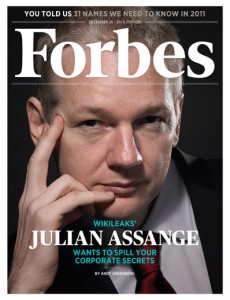 Forbes Magazine
American business magazine founded 1917; known for its rankings of wealth and corporate performance and its center-right editorial line.
-
 League of Women Voters
Nonpartisan civic organization founded 1920 out of the women's suffrage movement; focuses on voter access, election administration, and good-government reform.
-
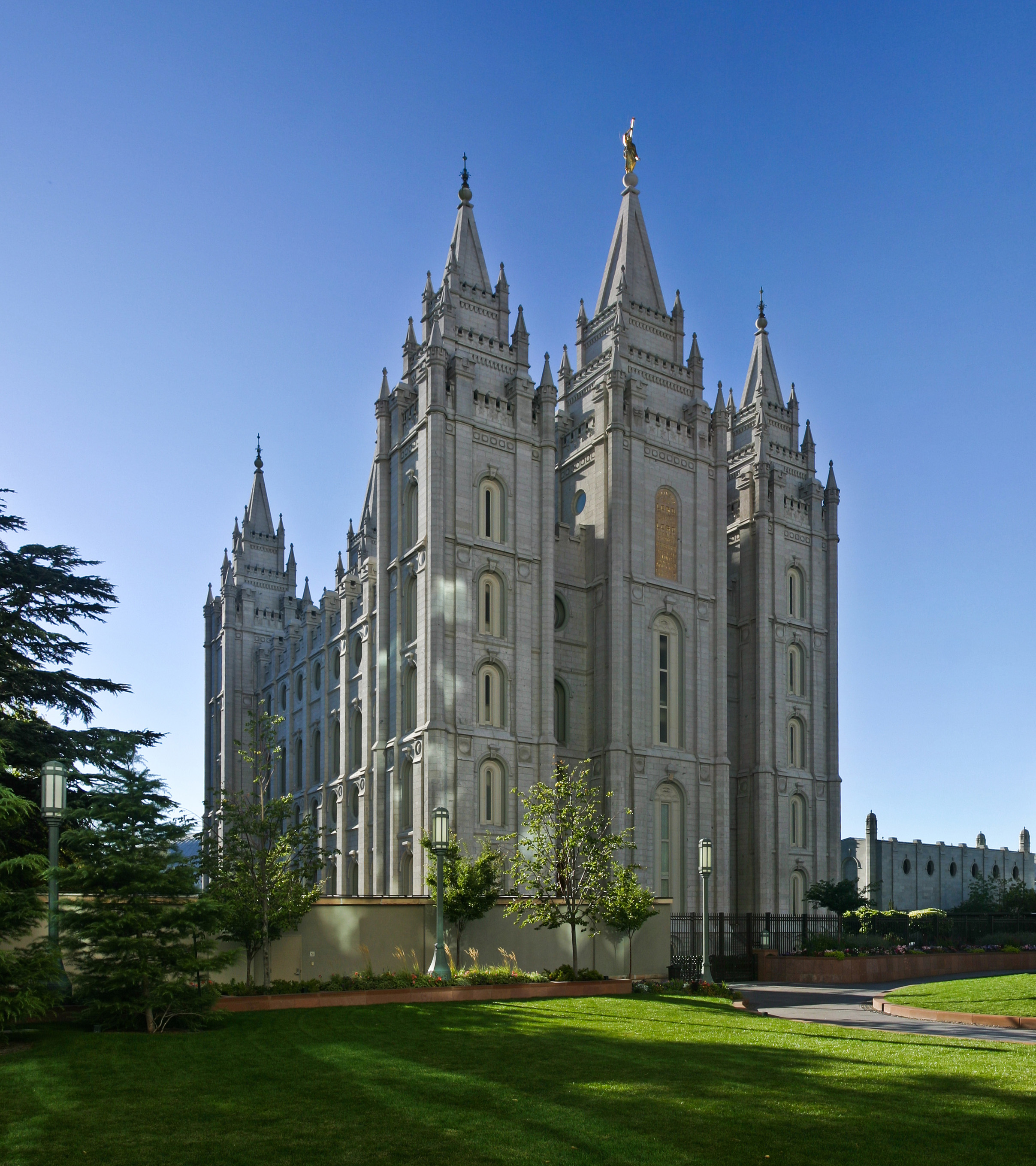 Modern LDS Church
The Church of Jesus Christ of Latter-day Saints (Mormon); founded 1830, headquartered in Salt Lake City, with about 17 million members worldwide.
-
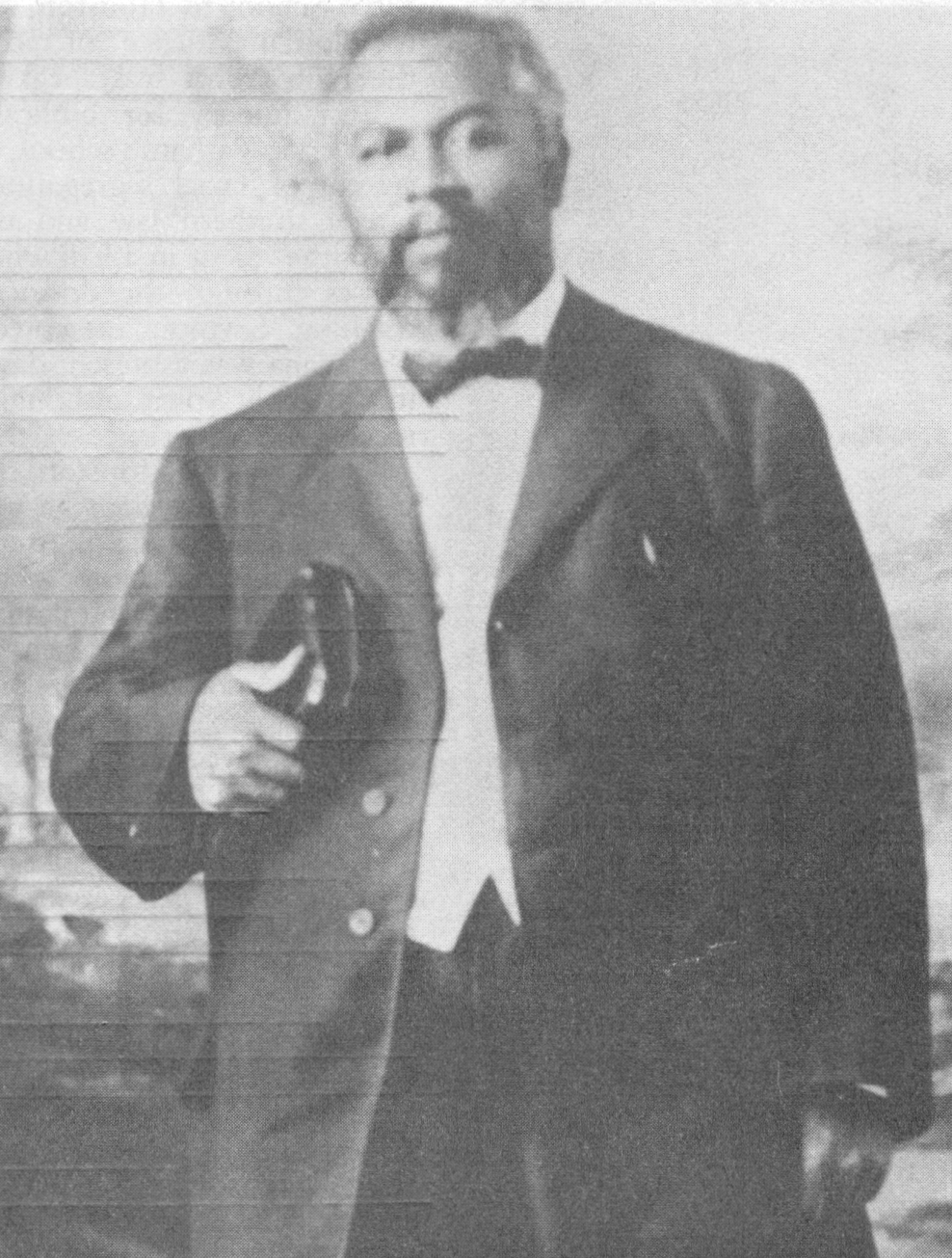 Modern Pentecostal Church
A diverse Christian movement emphasizing direct personal experience of the Holy Spirit; includes denominations like the Assemblies of God and the Church of God in Christ.
-
 National Review (Buckley fusionism)
Conservative magazine founded by William F. Buckley Jr. in 1955; the editorial home of postwar fusionist conservatism uniting traditionalism, free markets, and anti-communism.
-
 Southern Baptist Convention
Largest Protestant denomination in the U.S., headquartered in Nashville; theologically conservative, with about 13 million members across 47,000 churches.
-
 Texas Association of Business
State chamber of commerce for Texas; advocates pro-business policy on taxes, regulation, workforce, and tort reform.
-
 Texas Farm Bureau
Texas's largest general-farm organization; advocates for agricultural producers on water, property rights, trade, and rural infrastructure.
-
 Texas State Bar
Mandatory professional association for licensed Texas attorneys; administers attorney discipline, continuing legal education, and rule-of-law programs.
-
 US Chamber of Commerce
Largest U.S. business federation, founded 1912; the dominant voice for big-business policy on tax, trade, regulation, and tort reform.
-
 Veterans (VFW/Legion/IAVA composite)
A composite scoring lens drawn from the major U.S. veterans-service organizations (VFW, American Legion, Iraq and Afghanistan Veterans of America), focused on VA funding, the GI Bill, and military benefits.
-
 Wall Street Journal Editorial Board
The opinion section of The Wall Street Journal; a long-standing voice of pro-market, supply-side, internationalist Republicanism.